Whatsapp
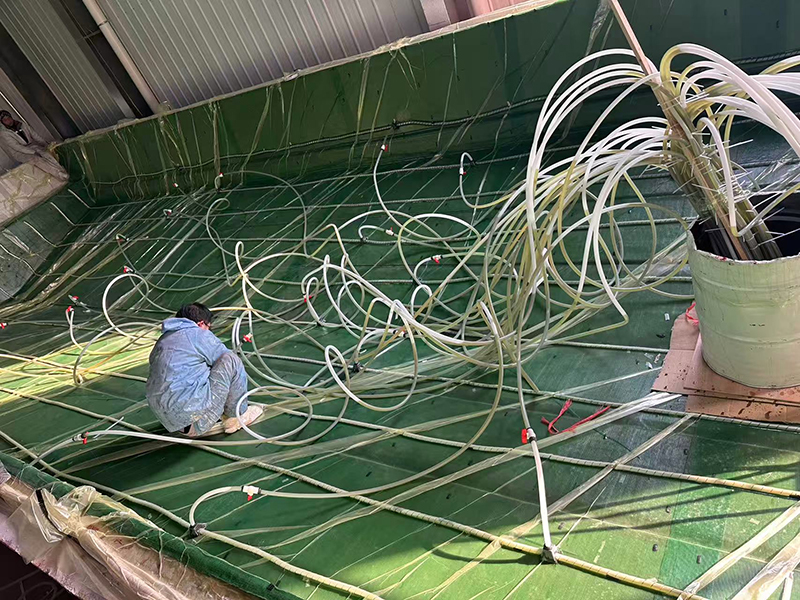
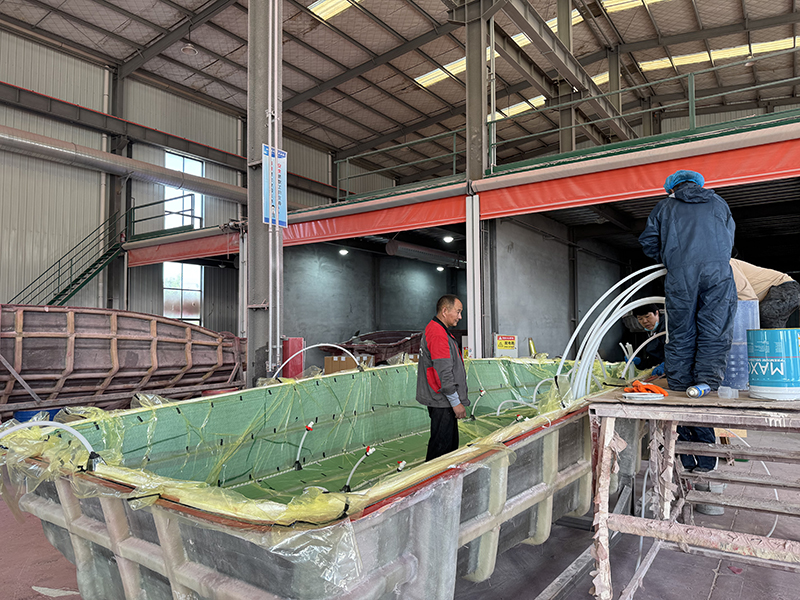
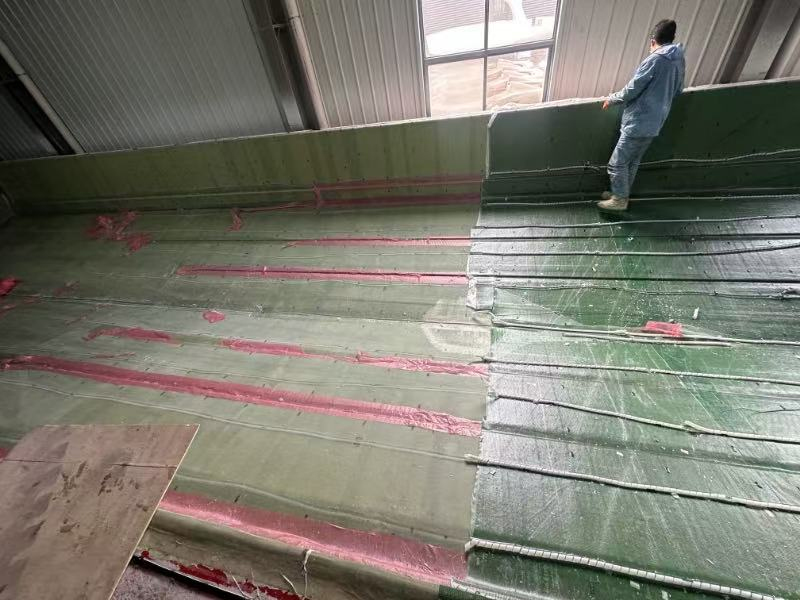
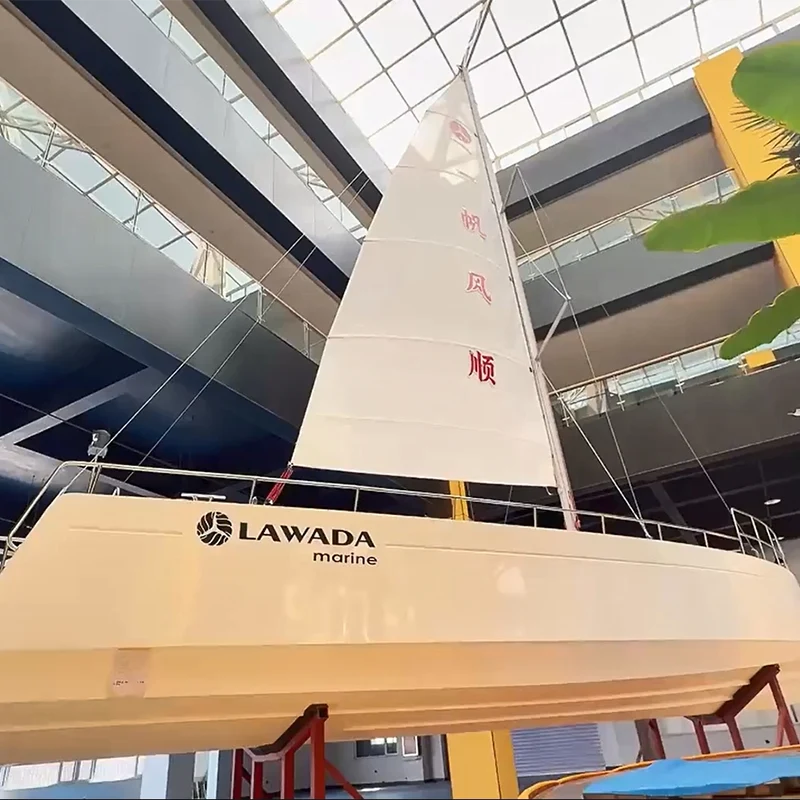
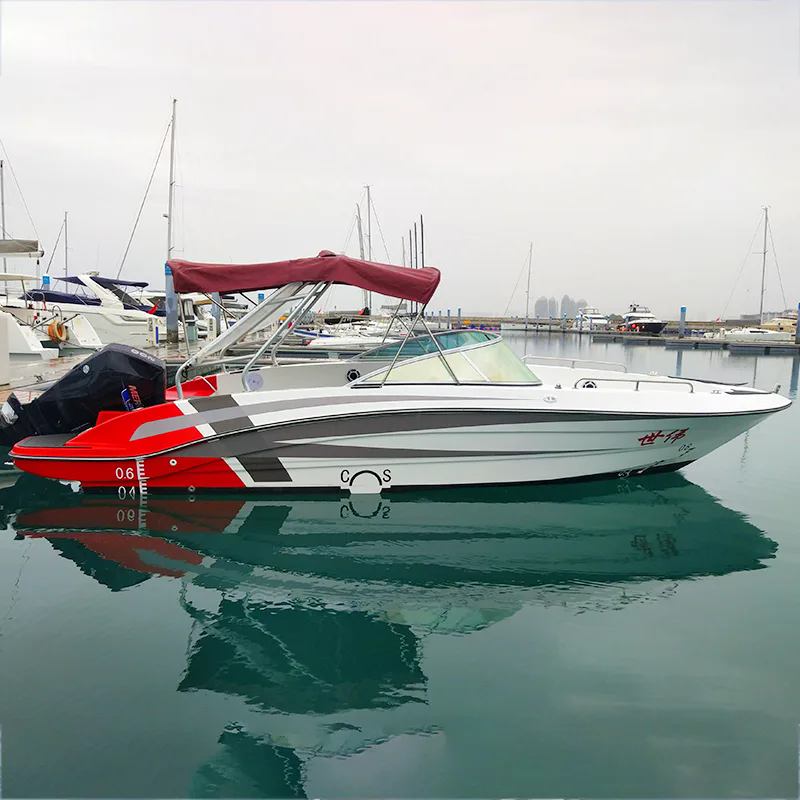
Lawada® fiberglass boat hulls are manufactured using vacuum infusion technology. This adoption is optimizing hull quality, performance, and production efficiency, bringing enhanced value to our customers.
The vacuum negative pressure environment ensures that the resin can fully and evenly penetrate the glass fiber fabric, thereby avoiding the common bubble and drying point phenomena in the traditional manual laying process. This significantly improves the overall strength and leak resistance of the hull.The thickness of the hull can be precisely controlled, with a deviation of only ±0.5 millimeters, avoiding the waste of weight caused by local excessive thickness and the risk of strength reduction caused by local insufficient thickness.
Compared to manual laying, the vacuum infusion process can reduce unnecessary resin accumulation. While maintaining the same strength, the weight of the hull can be reduced by 10% - 20%, thereby directly enhancing the speed, range, and fuel efficiency of the vessel.
The lighter hull imposes less load on the power system, enabling more sensitive control. This is particularly applicable to Lawada® high-speed vessels and recreational boats, which require excellent maneuverability.
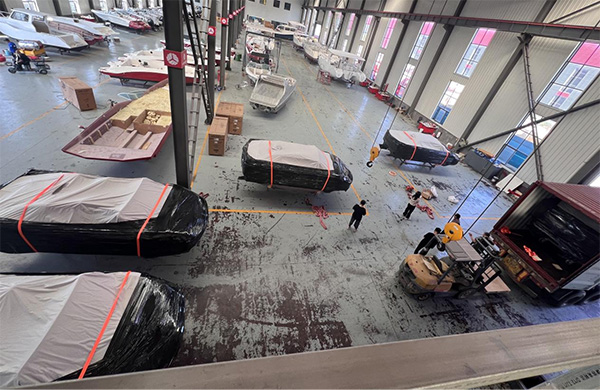
The resin curing process becomes more uniform, and the production cycle for each ship is shortened by 20% - 30%.
The negative pressure environment can effectively collect the volatile resin smoke and harmful substances, reducing the VOC (volatile organic compounds) concentration in the workshop. It can also reduce resin waste, with a utilization rate exceeding 90%, meeting environmental protection production standards.
The vacuum negative pressure enables the glass fiber fabric to closely adhere to the complex mold surfaces, such as the streamlined hull bottom and the curved sides. This allows for the easy realization of high precision and complex ship designs that are difficult to achieve through traditional methods, thereby further enhancing the hydrodynamic performance of Lawada® ships.