News

Lawada® Vacuum Infusion Process for 21.8m Passenger Vessel Hull – Elevating Strength, Efficiency, and Longevity

2025-12-19

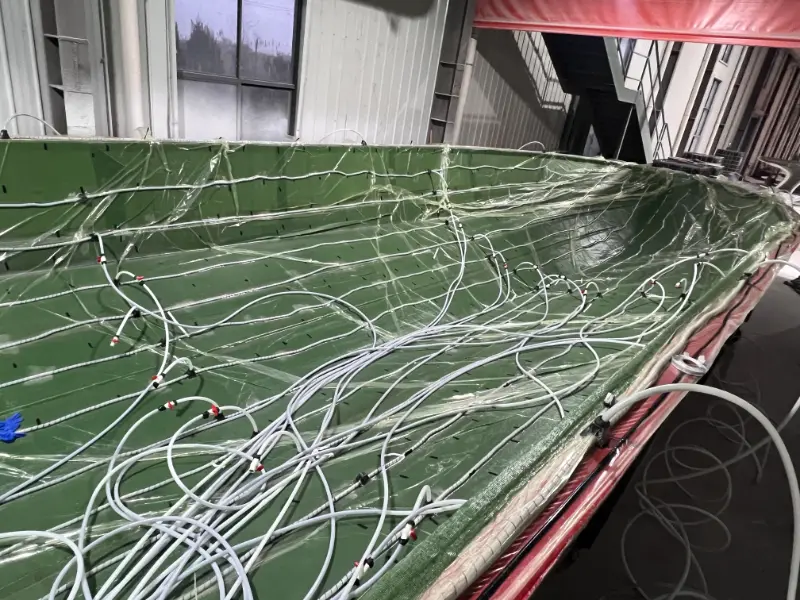
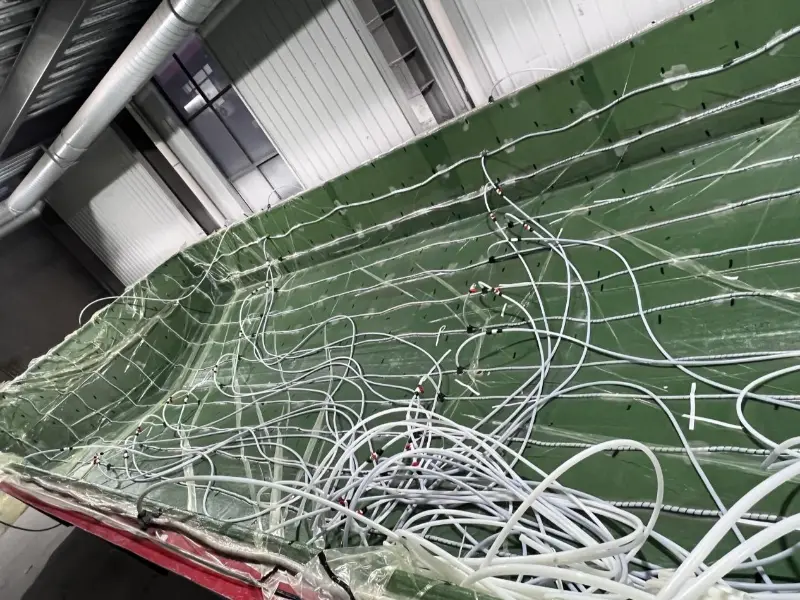
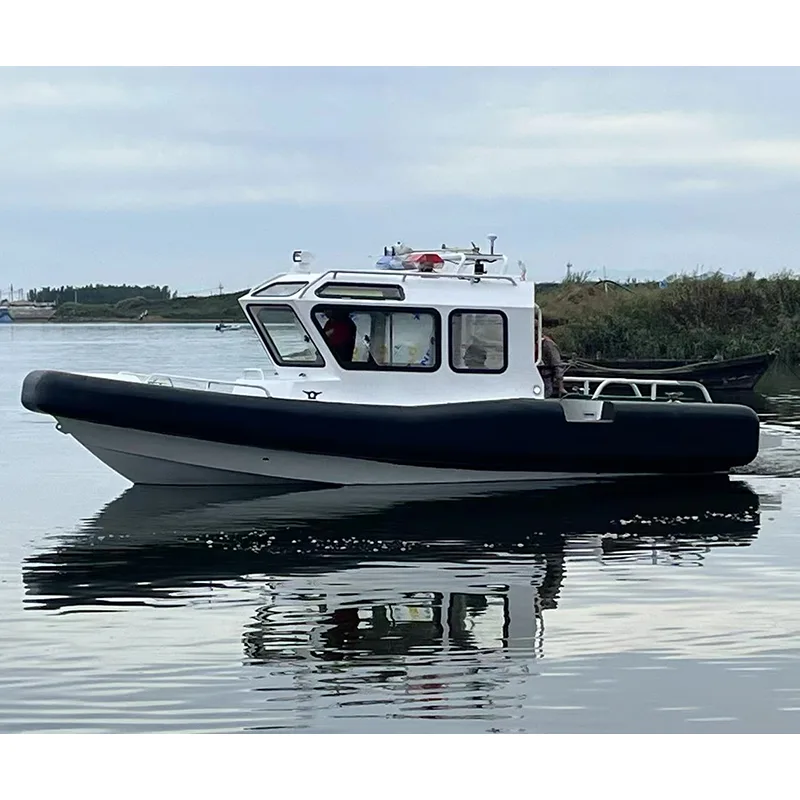
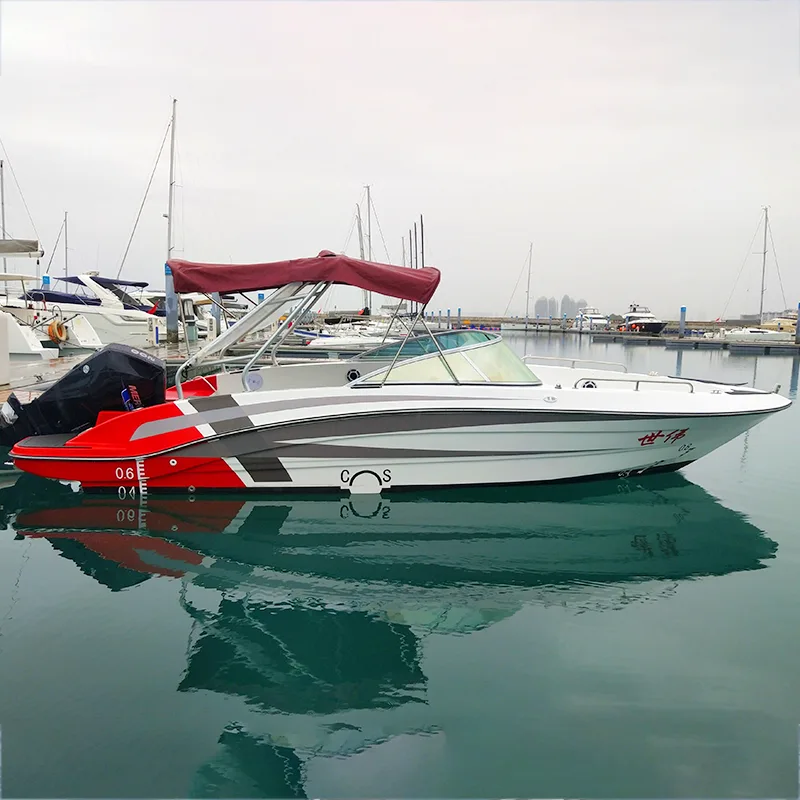
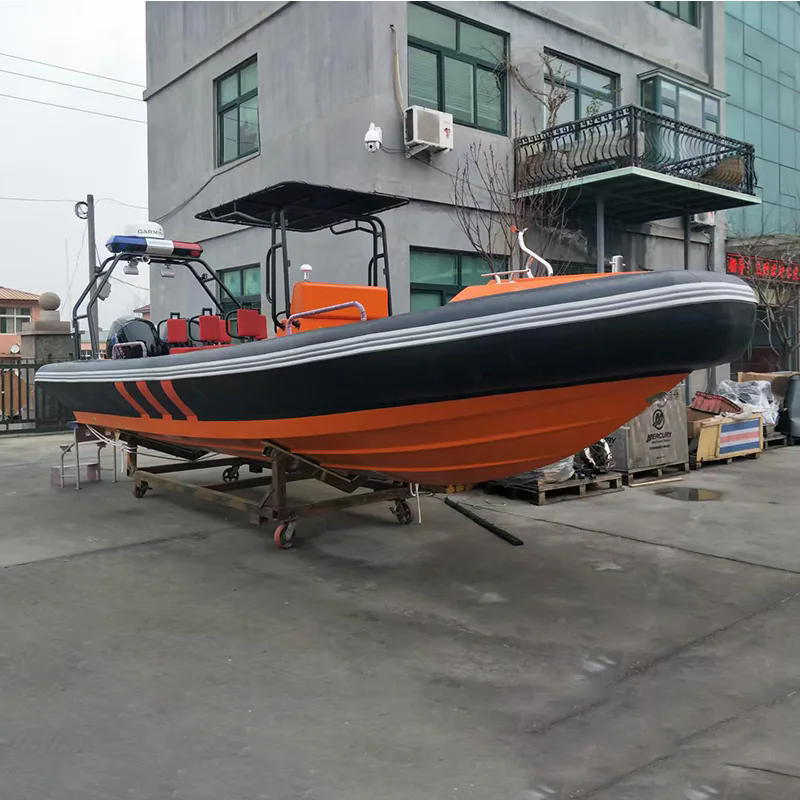
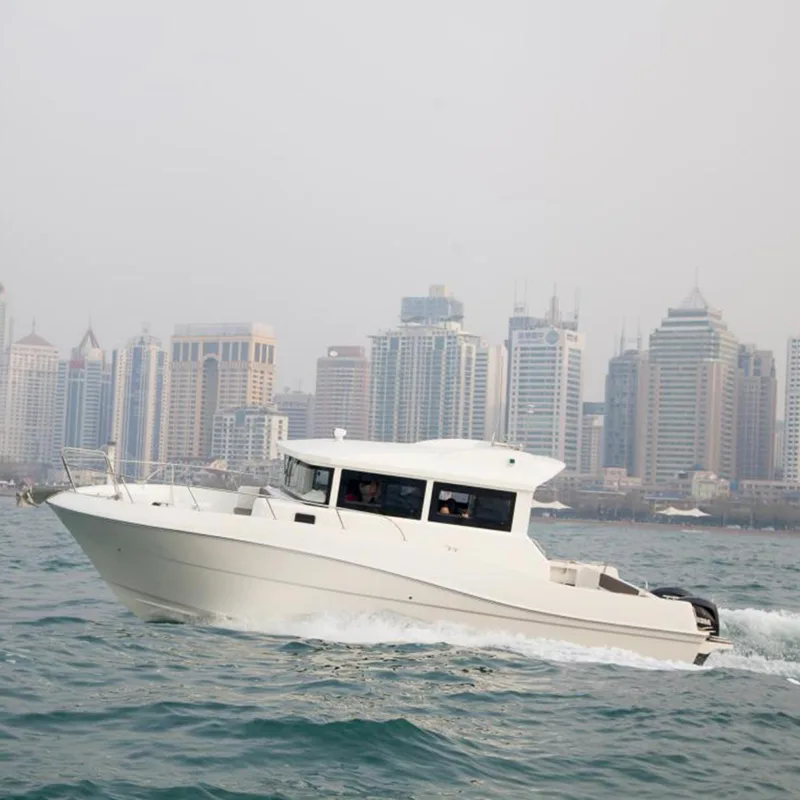
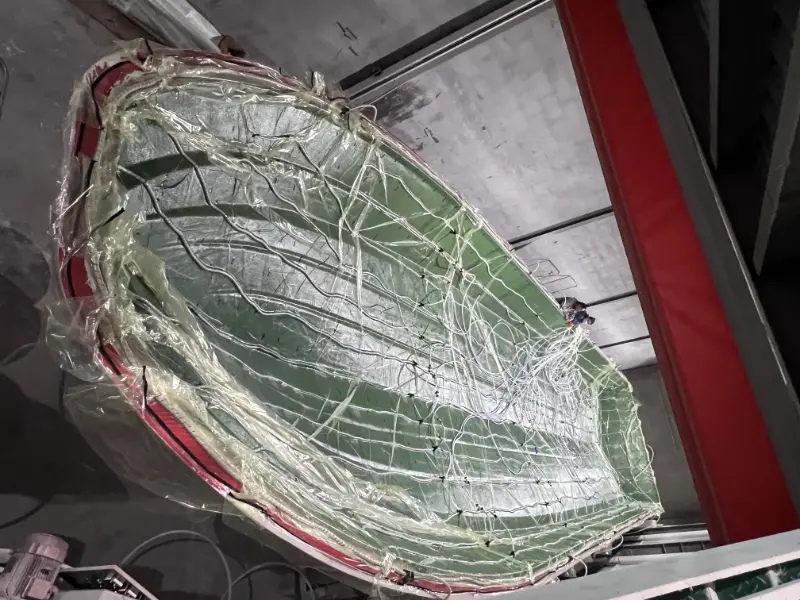
Lawada® Yacht vacuum infusion process for the 21.8m hull passenger boat:


Why adopt the vacuum infusion technology?

Eliminate potential structural defects

The traditional manual laying of the hull structure mainly relies on manual operations, which may lead to uneven resin distribution and bubble accumulation. These hidden defects will gradually absorb water over time, increasing the weight of the hull by several hundred kilograms, reducing the navigation efficiency. However, vacuum infusion uses negative pressure to evenly distribute the resin, completely eliminating bubbles and micropores.


Meet the demand for long-term cost control

Operators have always emphasized the importance of reducing long-term operating costs. The dense and uniform structure formed by vacuum infusion reduces the hull's absorption of moisture and weight increase,that reducing fuel consumption. At the same time, the higher strength of the hull reduces the maintenance and repair costs during use.

Meet the strict safety requirements for passenger transportation

Passenger boat’s safety is our top priority. The vacuum infusion process significantly improves the hull impact resistance and structural stability, providing more reliable guarantee for the safety of passengers and operators in complex water conditions.

Advantages of Vacuum Lamination for Lawada® Boat Hull Construction

Higher structural strength: The hardness of the hull reaches 60 - 70, that is much better than traditional manual operations, and the structural density has increased by 15% - 20%, effectively enhancing the ability to resist collisions and wave impacts

Better navigation efficiency: The uniformity of resin distribution reduces the overall weight of the hull , while the smooth surface reduces water resistance, thereby increasing the sailing speed and reducing fuel consumption.

Longer service life: Eliminating micro-pores can prevent water penetration and structural aging, extending the hull's service life.

More stable quality: The automated process reduces the impact of manual operations, ensuring consistent quality for each hull and a smoother surface, enhancing the overall appearance of the vessel


Related News
X
We use cookies to offer you a better browsing experience, analyze site traffic and personalize content. By using this site, you agree to our use of cookies. Privacy Policy
Reject Accept