Whatsapp
Article Abstract:
A rescue boat plays a critical role in maritime safety systems, serving as a primary life-saving asset during emergencies such as vessel abandonment, capsizing, fire incidents, and offshore accidents. This article explores how rescue boats function, their design principles, operational advantages, compliance considerations, and customization options. It also explains how modern manufacturers like LAWADA provide tailored solutions for different marine environments, ensuring higher safety standards and operational efficiency.
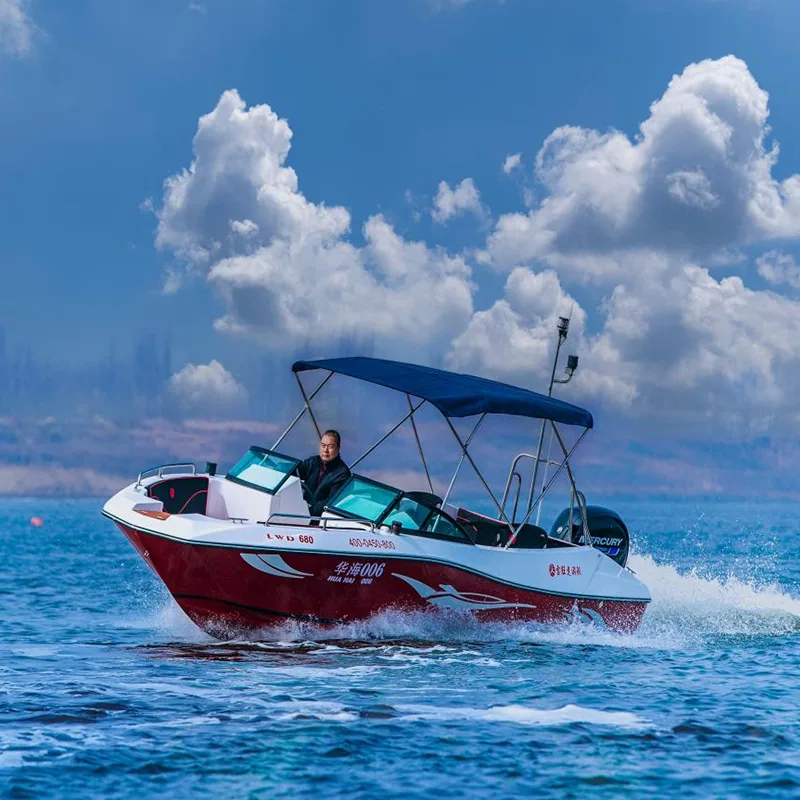
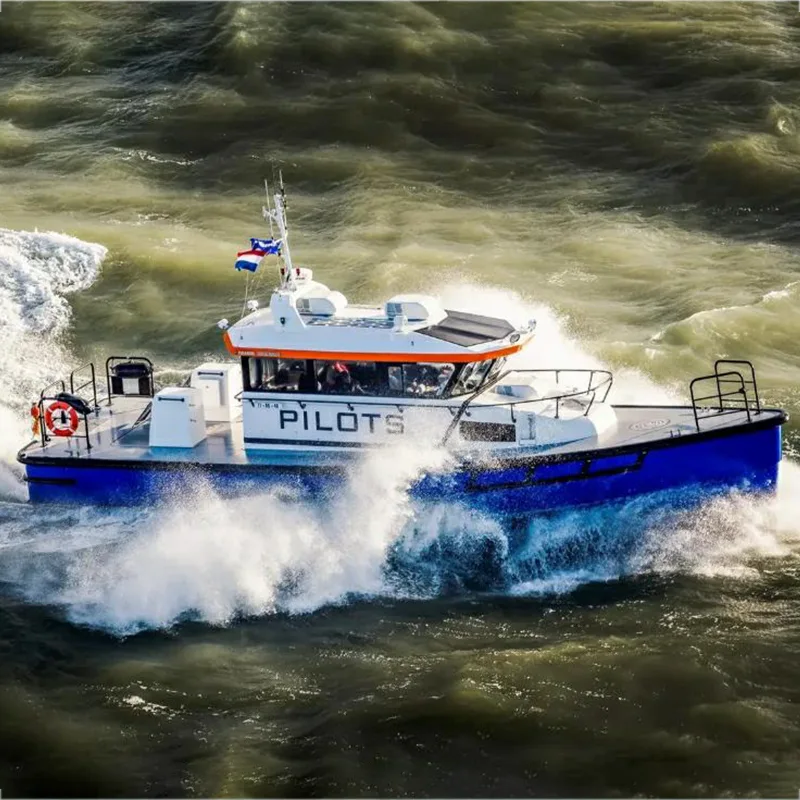
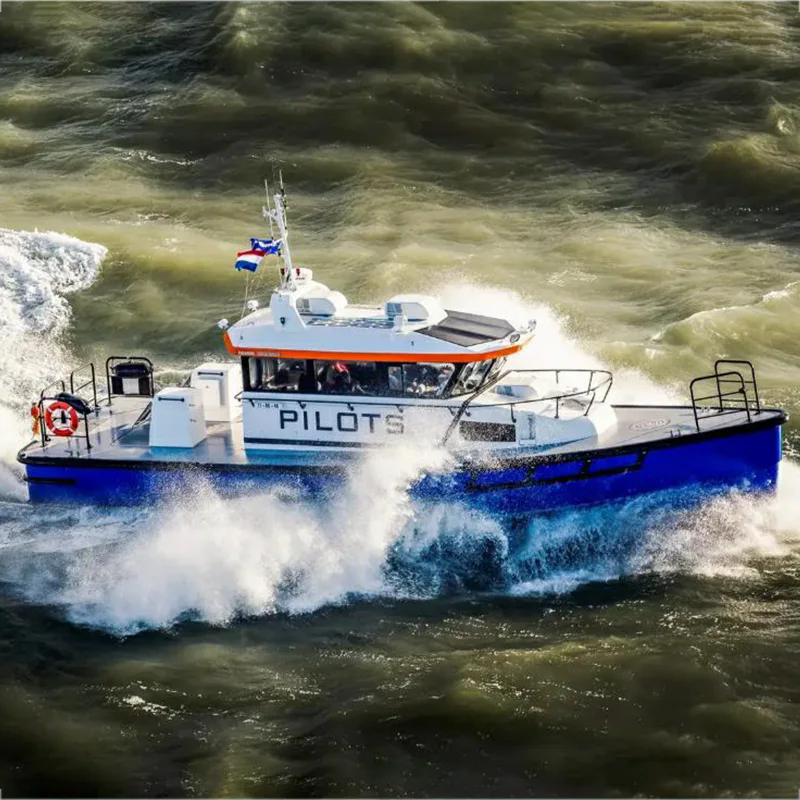
Rescue boats are specialized marine crafts designed to respond quickly during emergencies at sea. Their primary purpose is to recover individuals in distress, assist in evacuation procedures, and support search-and-rescue missions. Unlike standard passenger or utility boats, rescue boats are engineered for rapid deployment, high maneuverability, and reliable performance under extreme conditions.
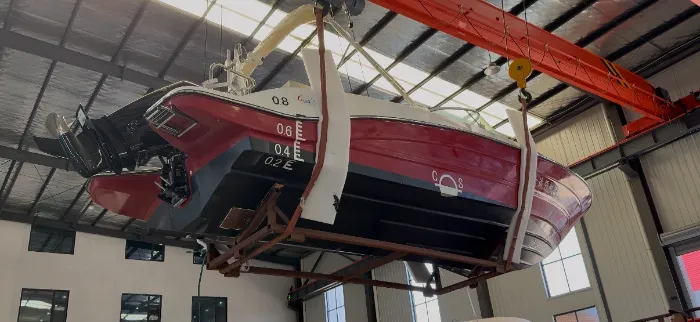
In offshore industries such as shipping, oil and gas, and naval operations, rescue boats are mandatory safety equipment. They are often stored on davits or launching systems, enabling immediate deployment when emergencies occur.
Maritime environments are unpredictable, and emergencies can escalate within minutes. Rescue boats act as the first line of defense in life-saving operations. Their importance can be summarized as follows:
Without reliable rescue boats, survival rates during maritime accidents would significantly decrease due to delayed response times.
Modern rescue boats are built with advanced materials and engineering principles to ensure durability and speed. Key features include:
| Feature | Description |
|---|---|
| Hull Material | Fiberglass Reinforced Plastic (FRP) or aluminum for corrosion resistance |
| Engine System | Outboard or inboard engines optimized for high thrust and fuel efficiency |
| Self-righting Capability | Ensures boat returns upright after capsizing |
| High-Speed Response | Designed for rapid deployment and maneuverability |
| Shock Resistance | Reinforced structure for rough sea conditions |
These features collectively ensure that rescue boats remain operational even in severe maritime environments.
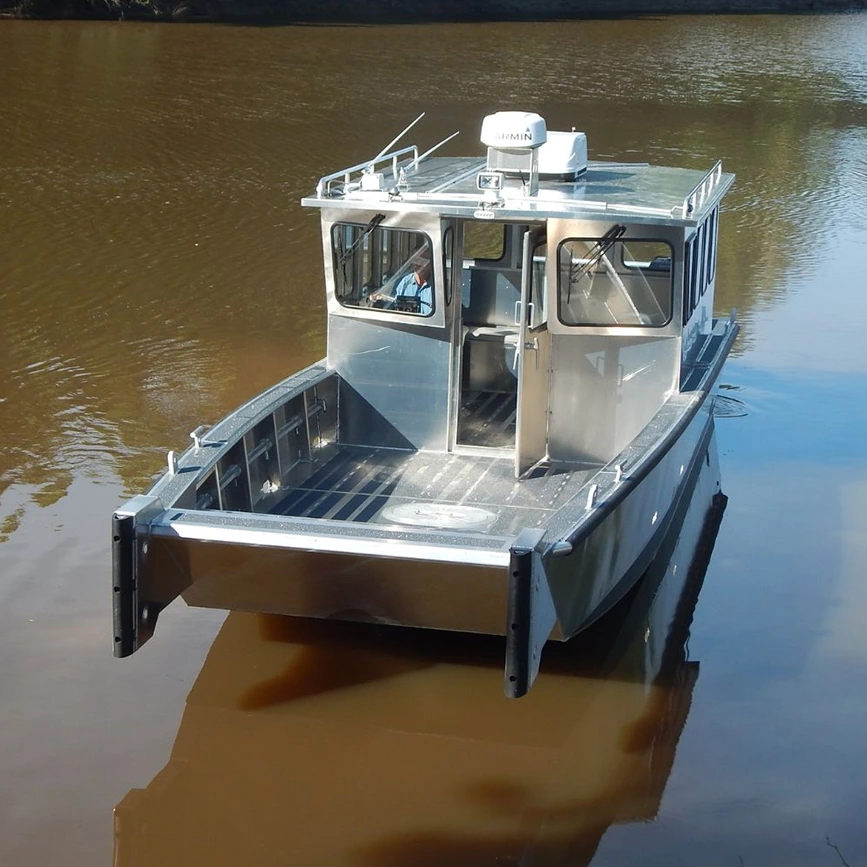
Different marine operations require different types of rescue boats. The most common categories include:
Each type is selected based on operational requirements, sea conditions, and vessel size.
The effectiveness of a rescue boat depends on multiple performance parameters:
A well-balanced combination of these factors ensures optimal rescue performance in real-world conditions.
Rescue boats must comply with international maritime safety regulations, including SOLAS (Safety of Life at Sea) requirements and classification society rules. These standards ensure that rescue boats meet strict performance, structural, and operational criteria.
Compliance typically covers:
Different maritime operations require tailored rescue solutions. LAWADA provides customizable rescue boat designs to meet specific operational and environmental needs. This flexibility ensures better efficiency, safety, and compatibility with vessel systems.
Key customization options include:
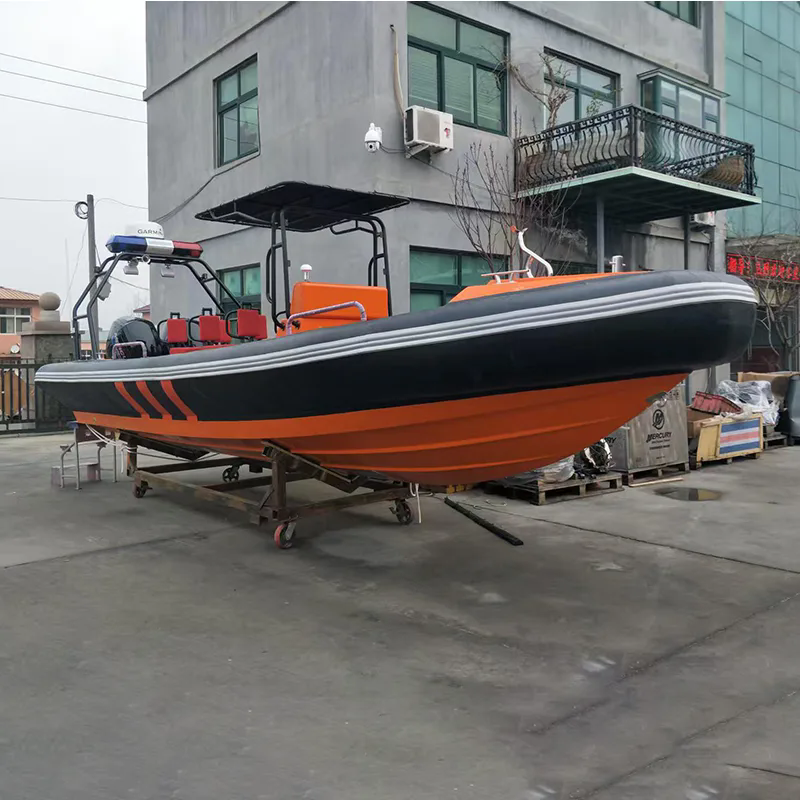
For example, LAWADA’s 7.4m rescue boat design demonstrates how compact size can be combined with high-speed performance and offshore durability. More details can be referenced from their product development line at LAWADA.
Proper maintenance ensures long-term reliability and readiness. Rescue boats must always be kept in operational condition.
Neglecting maintenance can significantly reduce response effectiveness during emergencies.
| Aspect | Rescue Boat | Standard Tender Boat |
|---|---|---|
| Primary Purpose | Emergency rescue and evacuation | Transport and utility support |
| Speed | High-speed response optimized | Moderate speed |
| Structural Strength | Reinforced for extreme conditions | Standard marine durability |
| Deployment | Rapid emergency launch system | Manual or dock-based launch |
Q1: What is the main purpose of a rescue boat?
A rescue boat is designed to respond quickly to maritime emergencies, including man-overboard recovery and evacuation support.
Q2: Can rescue boats operate in extreme weather conditions?
Yes, modern rescue boats are engineered for high stability and durability in rough sea environments.
Q3: Are rescue boats mandatory on all vessels?
Most commercial and offshore vessels are required by maritime regulations to carry certified rescue boats.
Q4: Can rescue boats be customized?
Yes, companies like LAWADA provide customization options for size, engine type, layout, and operational requirements.
Rescue boats are indispensable assets in maritime safety systems, providing rapid response capabilities that save lives in critical situations. Their advanced design, compliance with international standards, and adaptability make them essential for modern marine operations.
With engineering expertise and customization capability, LAWADA continues to deliver high-performance rescue boat solutions tailored to diverse operational needs, ensuring reliability even in the most demanding sea conditions.
For more information, technical consultation, or tailored vessel solutions, contact us at LAWADA to discuss your project requirements and explore the right rescue boat configuration for your operations.