Whatsapp
The global commercial and recreational boat industry is steadily upgrading, and jet boats are gaining growing popularity worldwide. For decades, conventional propeller speed boats have dominated the market. Supported by mature manufacturing techniques and cost advantages, they have fully satisfied basic sightseeing and private boating demands. However, as water business scenarios diversify, maritime safety standards improve, and tourists pursue higher-quality riding experiences, the inherent drawbacks of traditional propeller boats have become increasingly prominent. Against this backdrop, jet boat technology has been widely recognized by the global marine industry, becoming a core upgrade direction for modern commercial watercraft.
In the past, most water tours and passenger transport operated in open, deep and calm waters, where standard propeller speed boats worked perfectly. Today’s water business covers far more varied environments, including shallow inland lakes, tidal coastal areas, and obstacle-filled recreational waters. These new scenarios require boats with stronger safety performance and better environmental adaptability.
Traditional propeller boats face common drawbacks in complex waters. Exposed propellers are easy to hit underwater obstacles or get tangled with weeds and fishing lines, leading to frequent failures and safety risks. To solve these practical problems, the industry is gradually shifting from cost-only purchasing logic to scenario-oriented solutions, making adaptable jet boat technology increasingly popular.
Jet boats are gaining industry popularity mainly because of their unique working principle. Instead of external propellers, a jet boat uses an internal water jet system for propulsion. Similar to how jet airplanes work, the boat’s engine drives an onboard pump to suck in water and spray it out at high speed to generate thrust. By adjusting the water jet direction, operators can steer flexibly and complete precise maneuvers on the water.
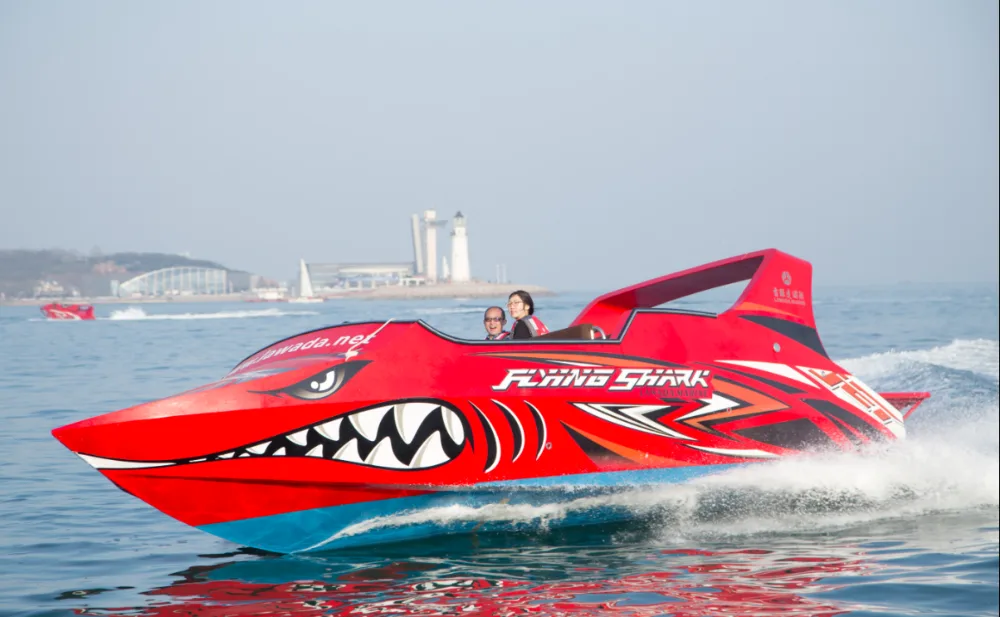
This design solves the core weaknesses of traditional propeller propulsion. With fully enclosed jet components, jet boats avoid propeller damage, entanglement and grounding risks, greatly reducing maintenance troubles and safety hazards. Meanwhile, jet propulsion delivers faster acceleration, more stable high-speed cruising and far better flexibility. Jet boats can drift, slide sideways and spin freely at high speeds, moves that standard speed boats cannot achieve. This makes jet boats an ideal complement to conventional speed boats for high-demand and complex water scenarios.

The recovery and upgrading of the global water tourism industry has completely changed the single demand for "safe navigation" in the past. Modern tourists pursue immersive, exciting and diversified water experience, while commercial operators pay more attention to equipment durability, low maintenance cost and long-term operational benefits. Dual demand iteration from the consumer end and the operation end further boosts the popularity of jet boat technology.
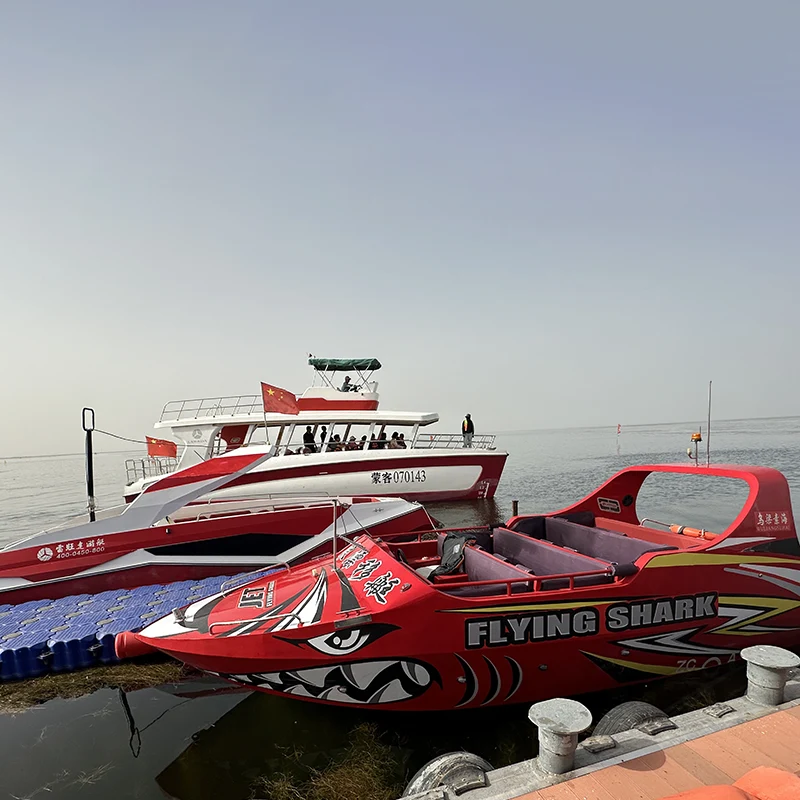
Modern tourists prefer dynamic, immersive water experiences, while commercial operators focus more on long-term durability, low maintenance costs and stable returns. Jet boats exactly match these updated market needs. Their agile and smooth riding experience helps scenic spots create distinctive water entertainment projects and stand out from homogeneous sightseeing services. With reliable jet power systems and sturdy overall structure, jet boats hold up better under frequent commercial use and cut daily operating costs significantly.
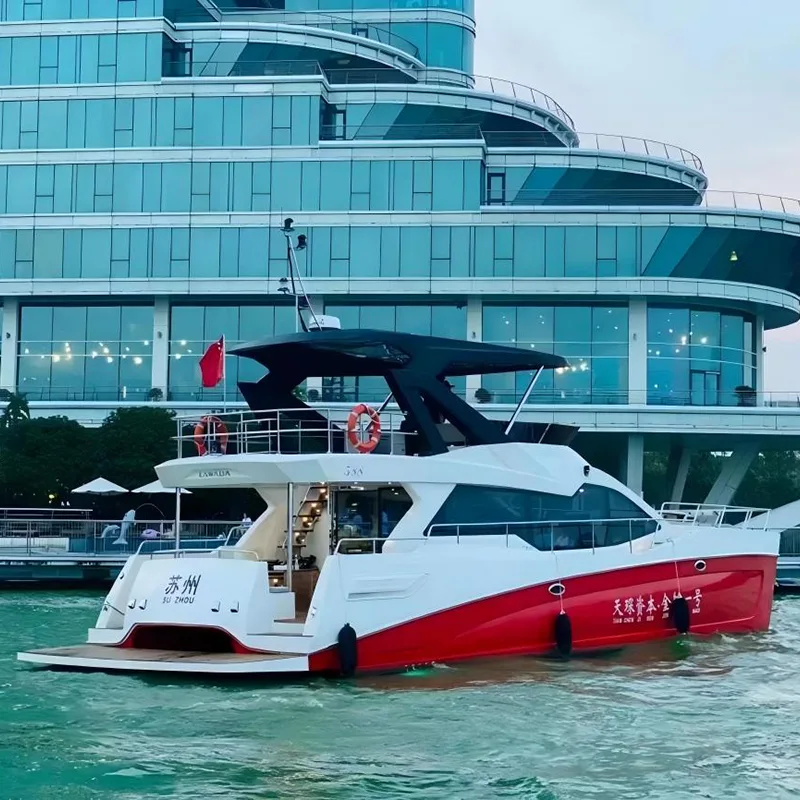
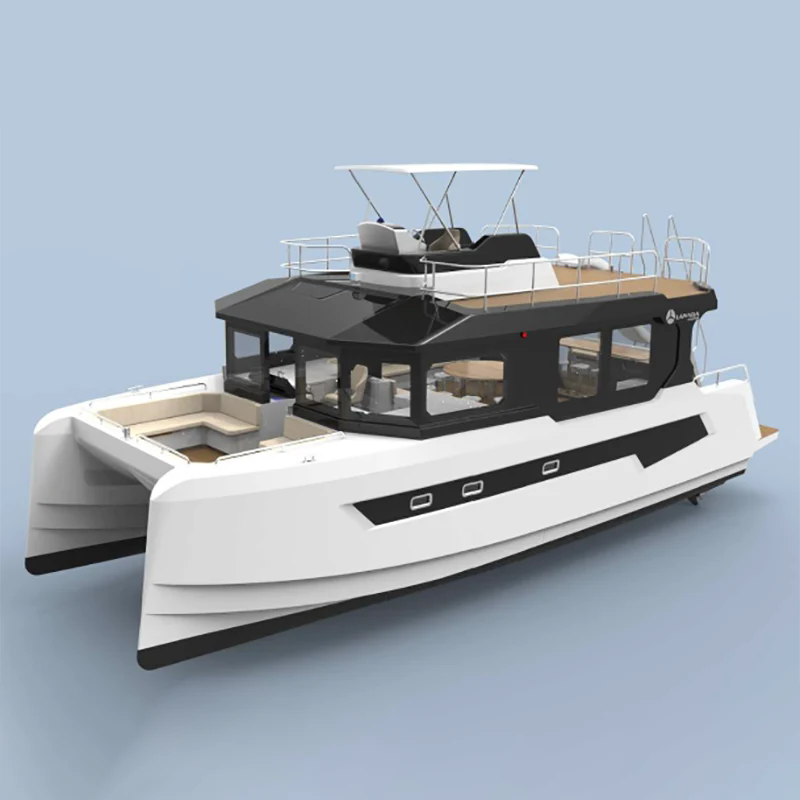
In addition, jet propulsion is highly versatile. It can be applied to small sport boats and large luxury yachts alike, covering commercial reception, water sports and private cruising. This wide adaptability allows jet boats to fit nearly all current marine market demands.

The global boat industry has formed a clear development trend. Cost-efficient conventional speed boats will continue to serve basic and budget-friendly water projects. Meanwhile, high-performance jet boats are becoming the preferred choice for mid-to-high-end commercial water businesses. The industry is no longer pursuing simple replication of traditional boat structures, but prioritizing practical technological upgrades and scenario adaptation.
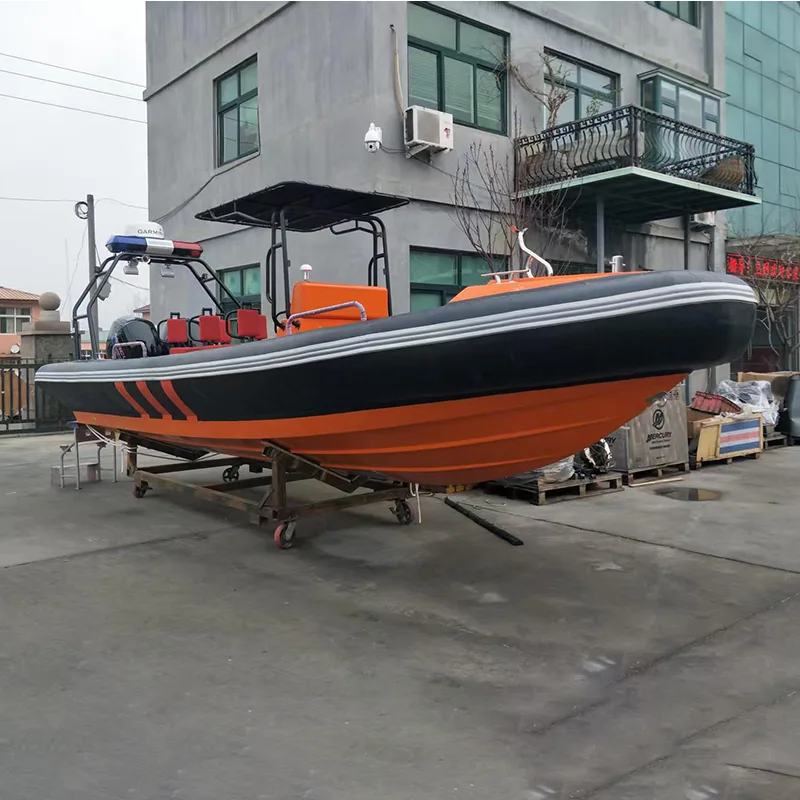
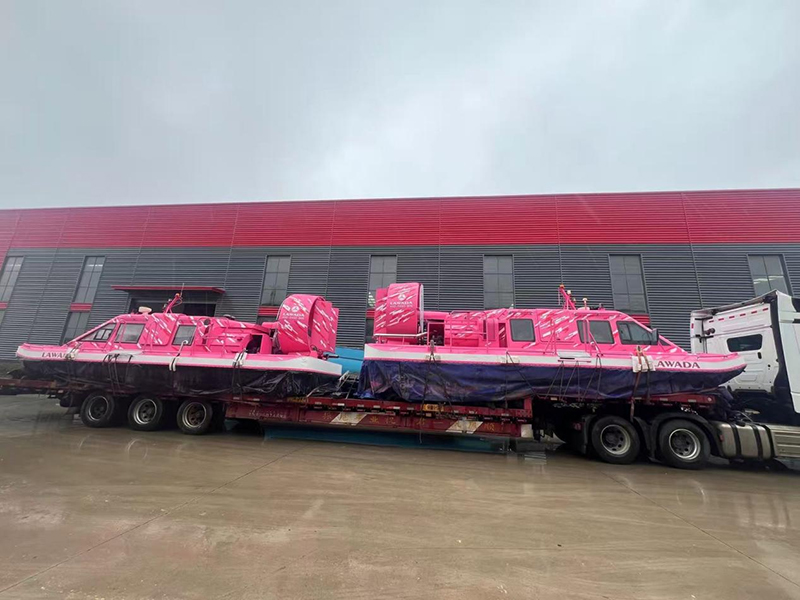
Keeping up with industry upgrades, LAWADA offers full-range boat solutions covering cost-effective conventional speed boats and high-performance jet boats to meet diverse market needs. The brand’s mainstream 21ft and 26ft commercial jet boats are equipped with American Mercury diesel engines and Hamilton jet pumps, with standardized and practical configurations. These models balance strong power, sufficient load capacity and stable navigation performance, delivering reliable commercial solutions for global water operators.
To explore more details about our jet boats and professional marine equipment, visit our official website to discover our full product portfolio and comprehensive technical specifications. We provide customized, scenario-oriented marine solutions tailored to diverse commercial operation, entertainment and private cruising needs. Our experienced professional team is always ready to respond to your inquiries, confirm personalized requirements and offer exclusive, timely quotations. Feel free to reach out to us for further product consultation and business cooperation.