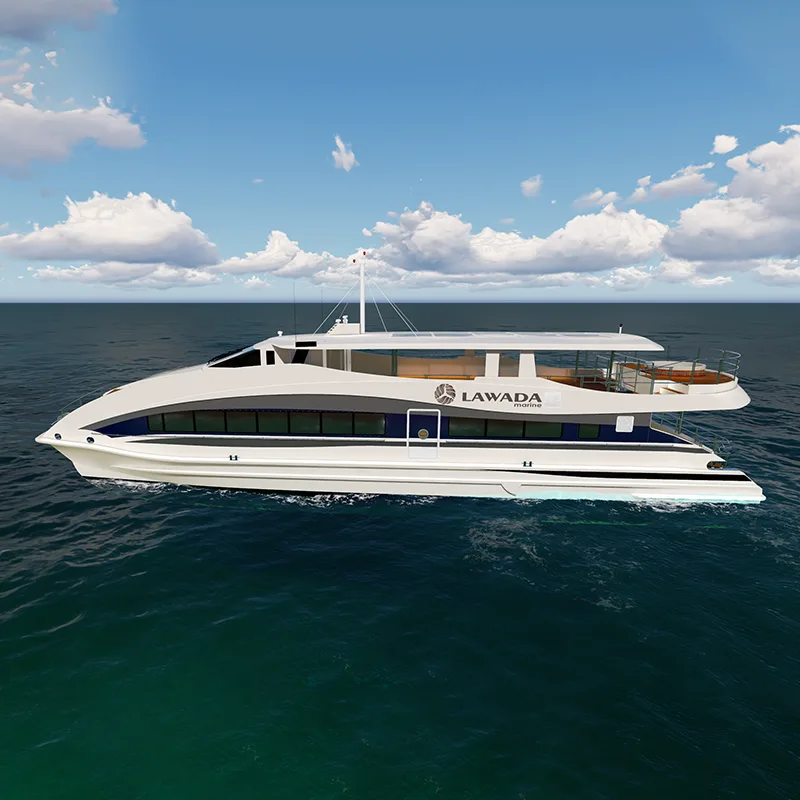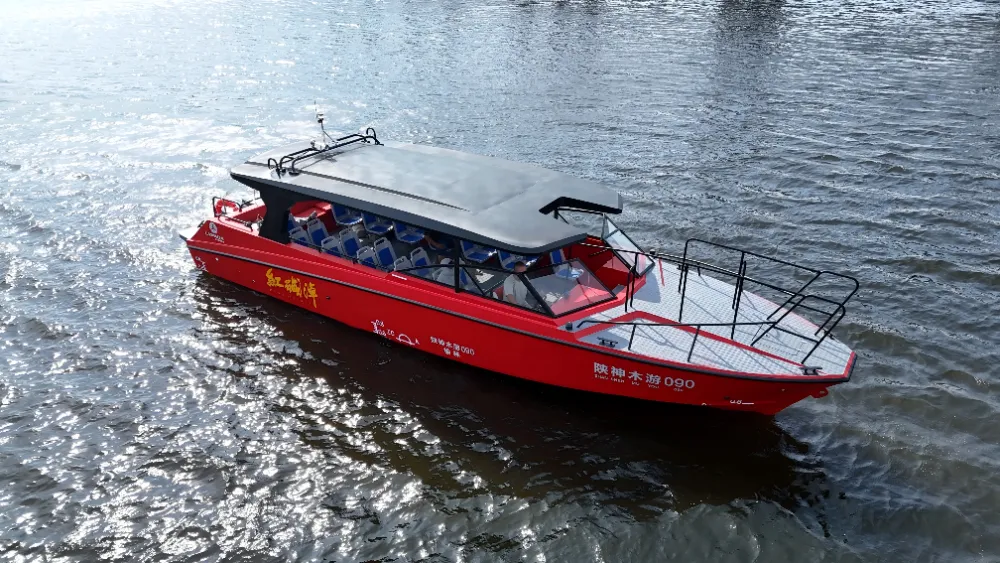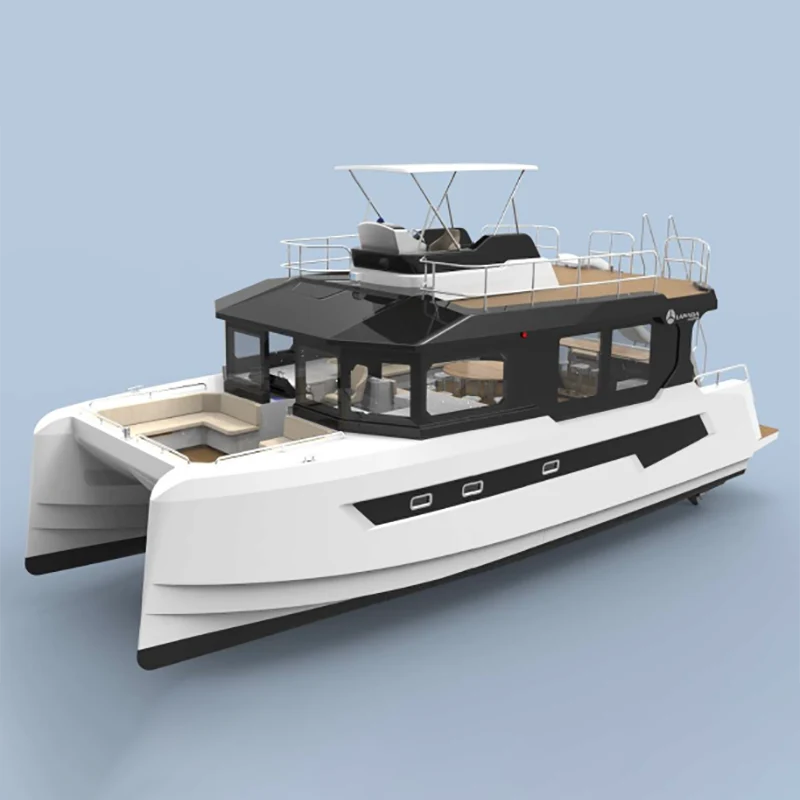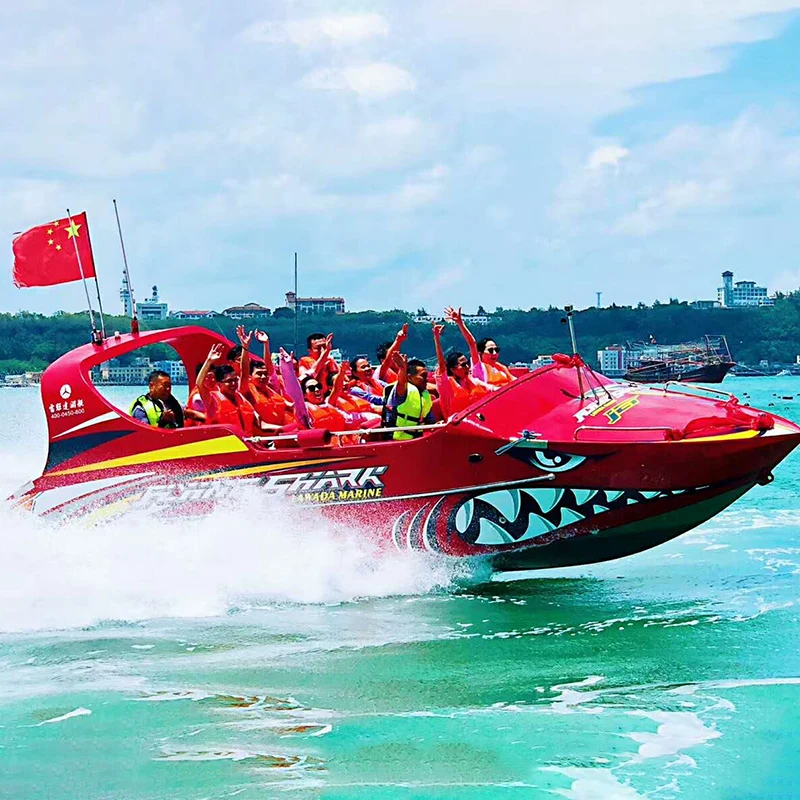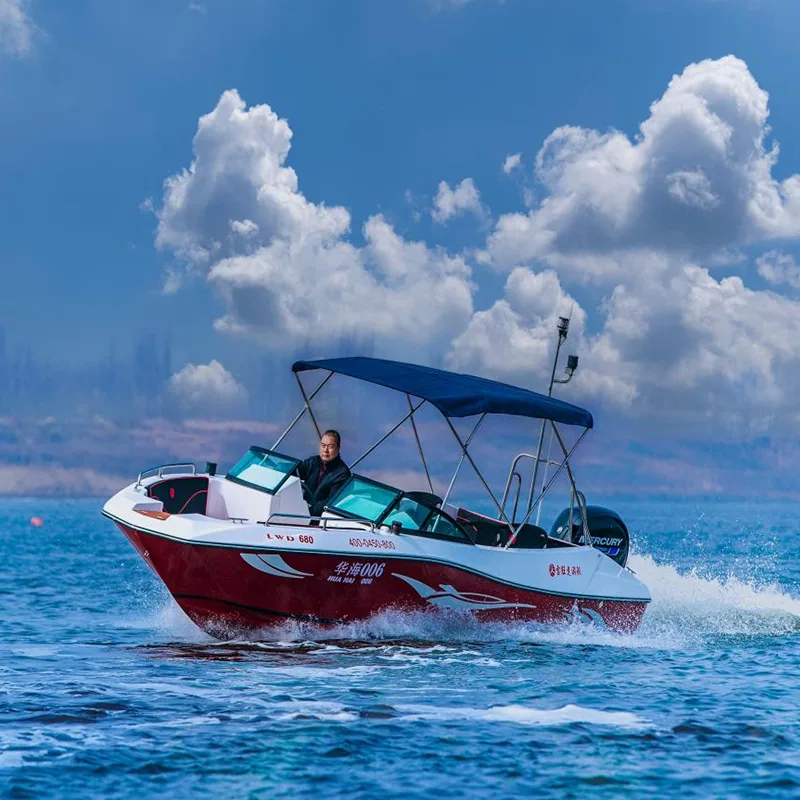


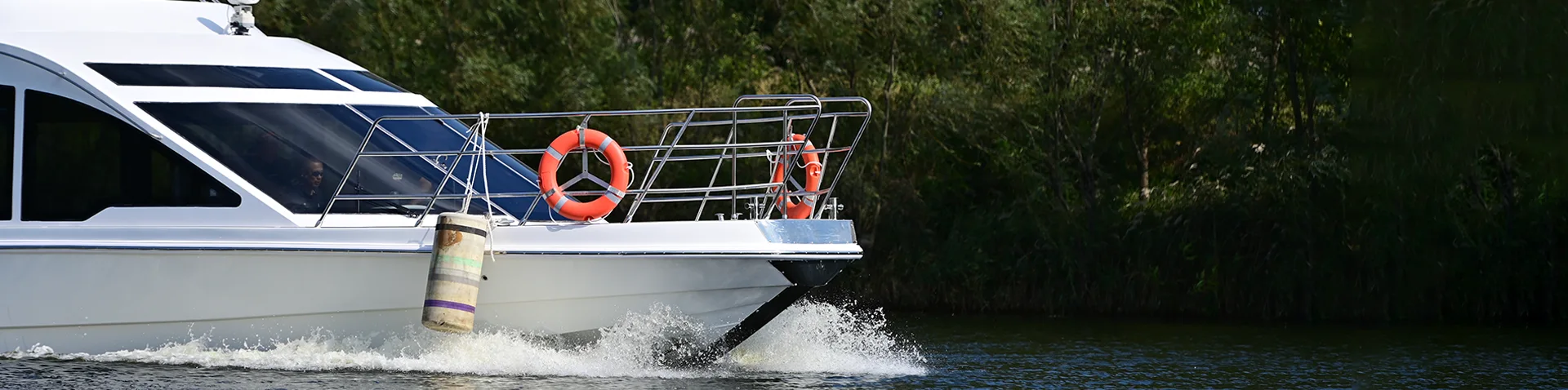
Abstract: Law enforcement boats are vital assets for maintaining safety and order on waterways. From rapid response to specialized patrol missions, these vessels are engineered for efficiency, durability, and adaptability. In this article, we explore the features, benefits, and operational strategies of law enforcement boats, helping agencies and organizations make informed decisions when selecting maritime security solutions.
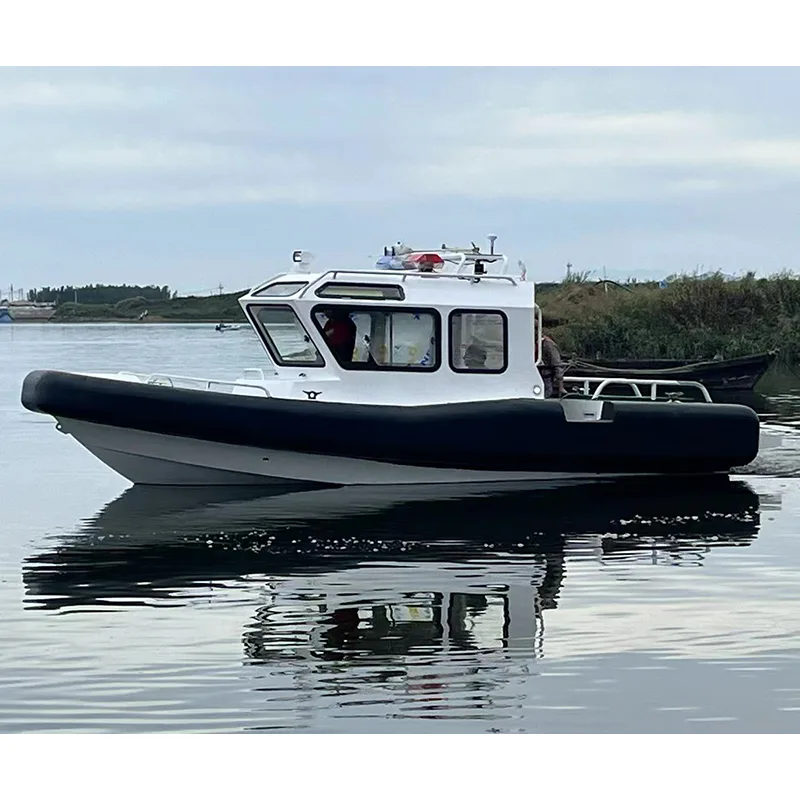
Table of Contents
- Introduction
- Types of Law Enforcement Boats
- Key Features and Specifications
- Operational Advantages
- Maintenance and Longevity
- Selecting the Right Vessel
- Frequently Asked Questions
Introduction
Waterways require dedicated security measures, from urban rivers to coastal areas. Law enforcement boats serve as frontline tools in crime prevention, rescue operations, and regulatory enforcement. Companies like Lawada specialize in designing and manufacturing boats that meet the stringent requirements of modern maritime security agencies.
Types of Law Enforcement Boats
Law enforcement agencies use a variety of vessels tailored for specific missions. Common categories include:
- Patrol Boats: Designed for routine surveillance and rapid response in coastal and inland waters.
- Interceptor Boats: High-speed vessels used to intercept unauthorized or suspicious watercraft.
- Rescue Boats: Equipped for search and rescue operations, providing medical aid and safe transport.
- Special Operations Boats: Custom-configured for SWAT or tactical law enforcement teams.
Each type is engineered with specific speed, maneuverability, and operational endurance in mind.
Key Features and Specifications
The performance of a law enforcement boat relies heavily on design and technology. Some key features include:
| Feature | Purpose |
|---|---|
| High-Speed Hull Design | Enables quick response and pursuit capabilities in various water conditions. |
| Durable Construction | Aluminum or fiberglass hulls ensure long-lasting performance and resistance to wear. |
| Advanced Navigation Systems | GPS, radar, and sonar systems improve situational awareness for safer operations. |
| Weapon and Equipment Mounts | Support for non-lethal and tactical equipment tailored to law enforcement needs. |
| Comfort and Ergonomics | Cabin and deck layouts are optimized for crew safety and efficiency during long patrols. |
Operational Advantages
Investing in modern law enforcement boats delivers multiple benefits:
- Rapid Response: High-speed performance ensures timely intervention in emergencies.
- Enhanced Surveillance: Advanced sensors and communication systems improve monitoring capabilities.
- Versatility: Boats can handle multiple roles including patrol, rescue, and tactical operations.
- Durability: Strong hull materials and quality engineering reduce long-term maintenance costs.
- Safety: Ergonomic designs and advanced safety equipment protect personnel in high-risk environments.
Maintenance and Longevity
Maintaining law enforcement boats is essential for optimal performance. Best practices include:
- Routine engine and hull inspections to prevent mechanical failures.
- Regular cleaning to avoid corrosion and biofouling.
- Software updates for navigation and communication systems.
- Scheduled replacement of critical components like propellers, fuel filters, and safety equipment.
Lawada provides comprehensive support packages to ensure vessels remain mission-ready and safe for years of operation.
Selecting the Right Vessel
Choosing a law enforcement boat requires balancing mission requirements, budget, and operational conditions. Considerations include:
- Waterway Type: Coastal, river, or inland operations influence hull design and draft.
- Speed Requirements: High-speed pursuit versus steady patrol capabilities.
- Crew Capacity: Number of personnel the vessel must accommodate.
- Equipment Integration: Compatibility with tactical, communication, and surveillance systems.
- Long-Term Reliability: Material quality, manufacturer support, and operational lifespan.
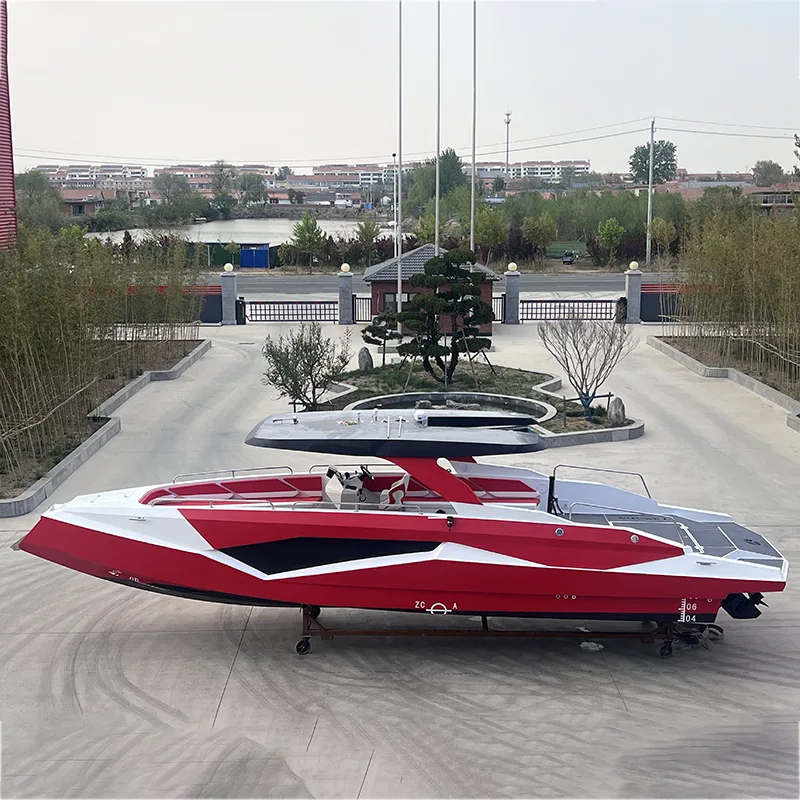
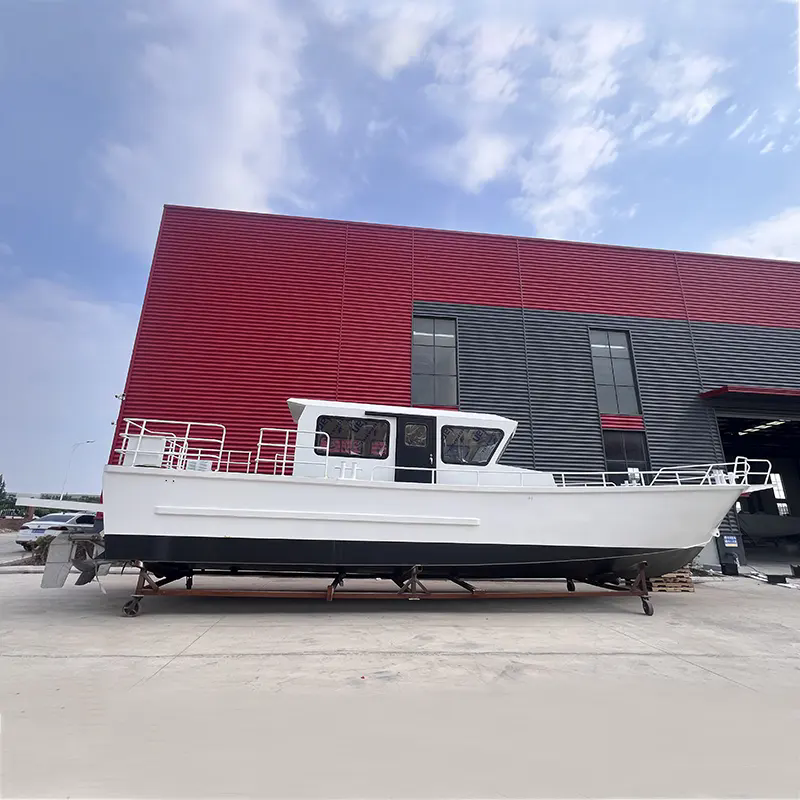
Vessels like the 7.95m Law Enforcement Boat by Lawada demonstrate how modern design integrates speed, safety, and tactical versatility for effective maritime law enforcement.
Frequently Asked Questions
Q1: What is the typical speed of a law enforcement boat?
Most patrol and interceptor boats reach speeds of 35-50 knots, depending on hull design and engine configuration.
Q2: Can these boats operate in rough seas?
Yes, vessels are engineered with deep-V or reinforced hulls to maintain stability in choppy waters while ensuring crew safety.
Q3: How long do law enforcement boats typically last?
With proper maintenance, these boats can serve 15-20 years, supported by manufacturer maintenance programs like those offered by Lawada.
Q4: Are these boats customizable for specific missions?
Absolutely. Modular designs allow for tactical equipment, medical gear, or advanced surveillance systems to be integrated seamlessly.
Conclusion
Law enforcement boats are critical tools for securing waterways, performing rescues, and enforcing maritime law. Companies like Lawada provide cutting-edge solutions tailored to modern operational needs. By focusing on speed, safety, durability, and adaptability, these vessels empower law enforcement agencies to protect communities effectively.
To explore our range of law enforcement boats and find the perfect fit for your mission, contact us today and speak with our maritime security specialists.