Whatsapp
Abstract: Monohull passenger boats have long been a staple in maritime transport due to their stability, efficiency, and versatility. In this article, we explore how these vessels function, the benefits they provide for operators and passengers, and key considerations for choosing the right model for commercial or recreational purposes.
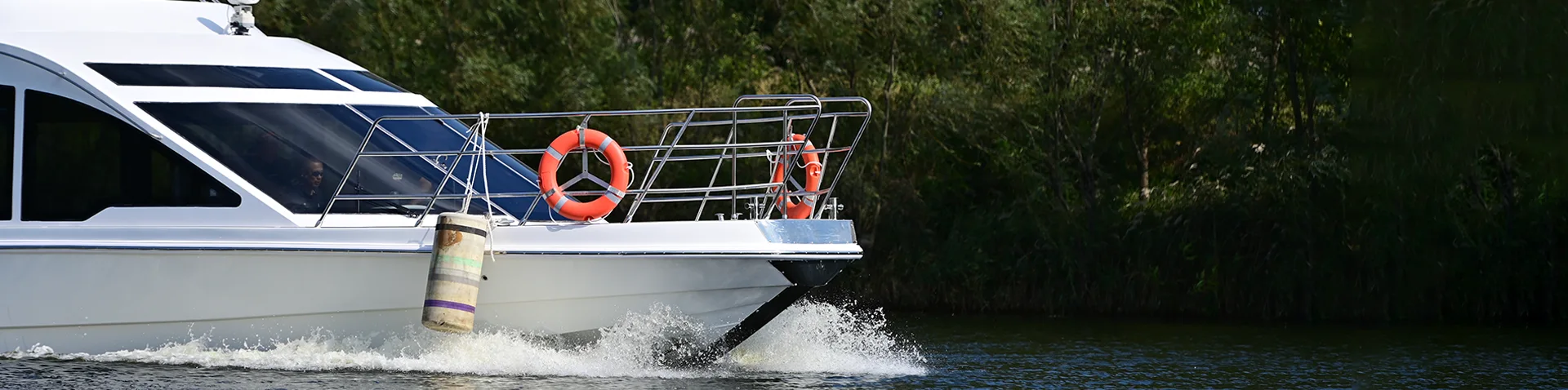
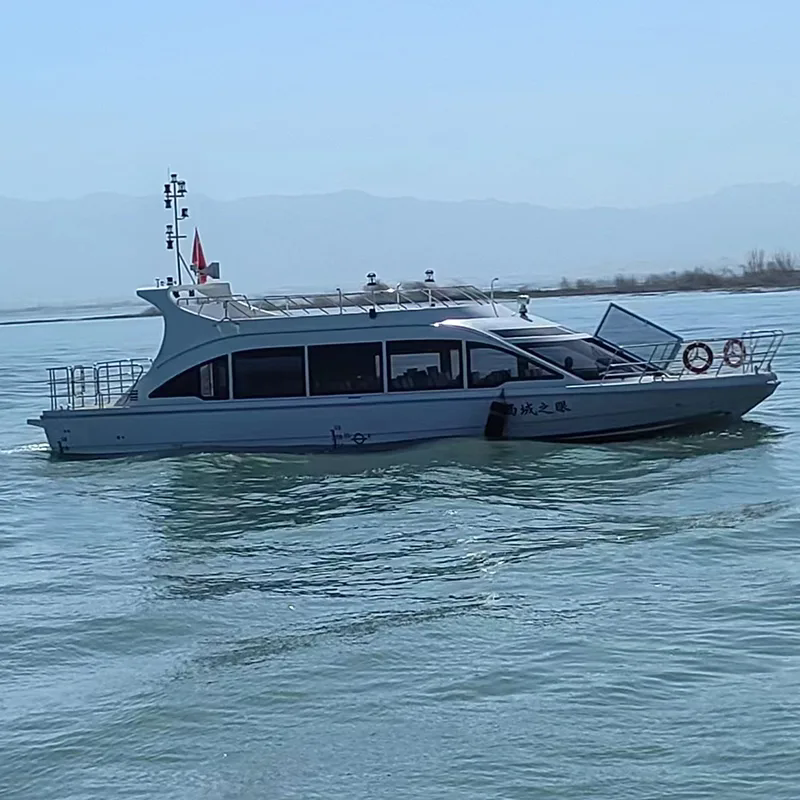
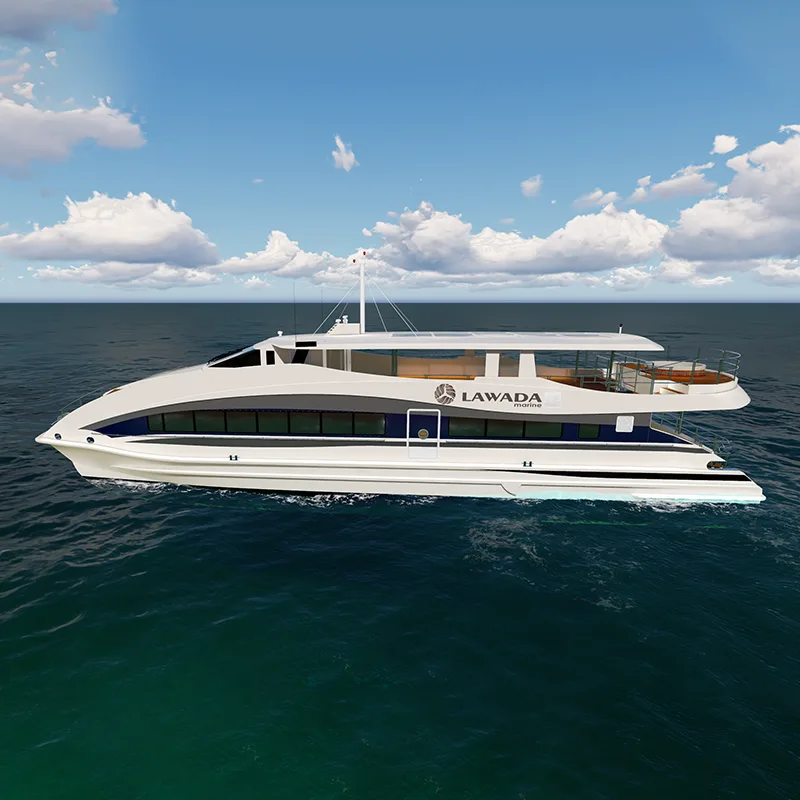
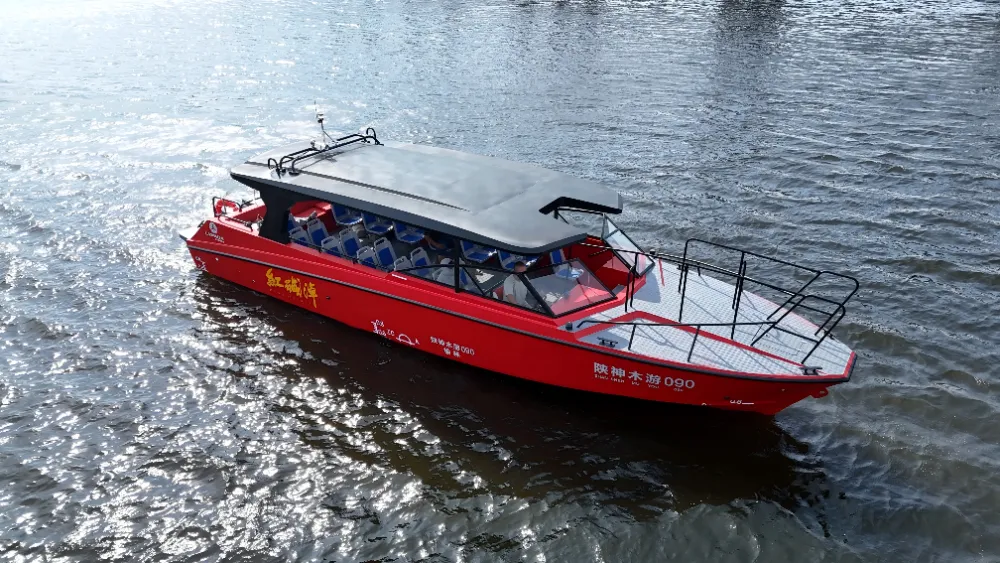
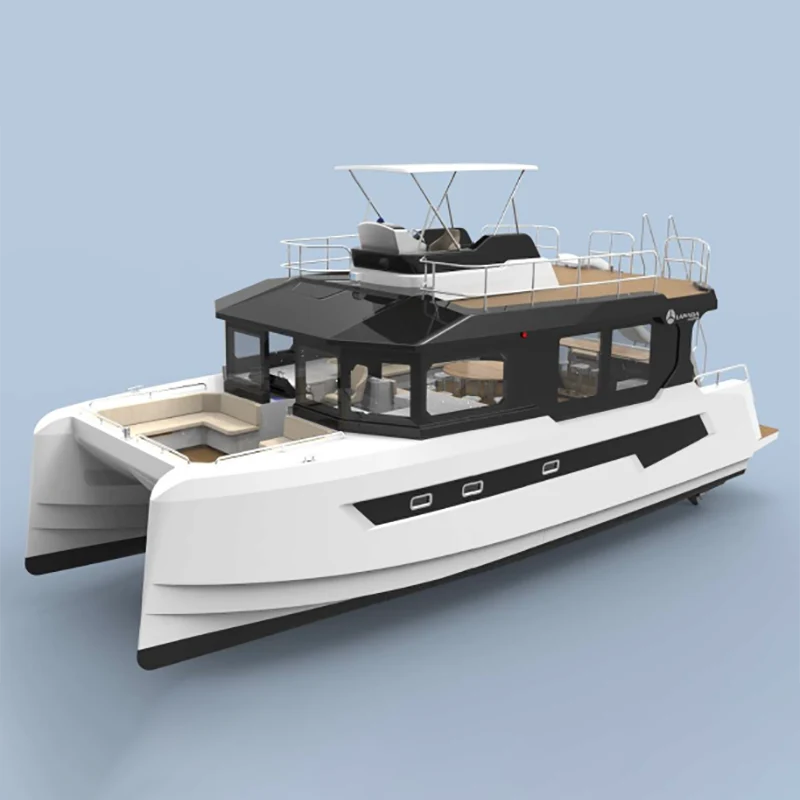
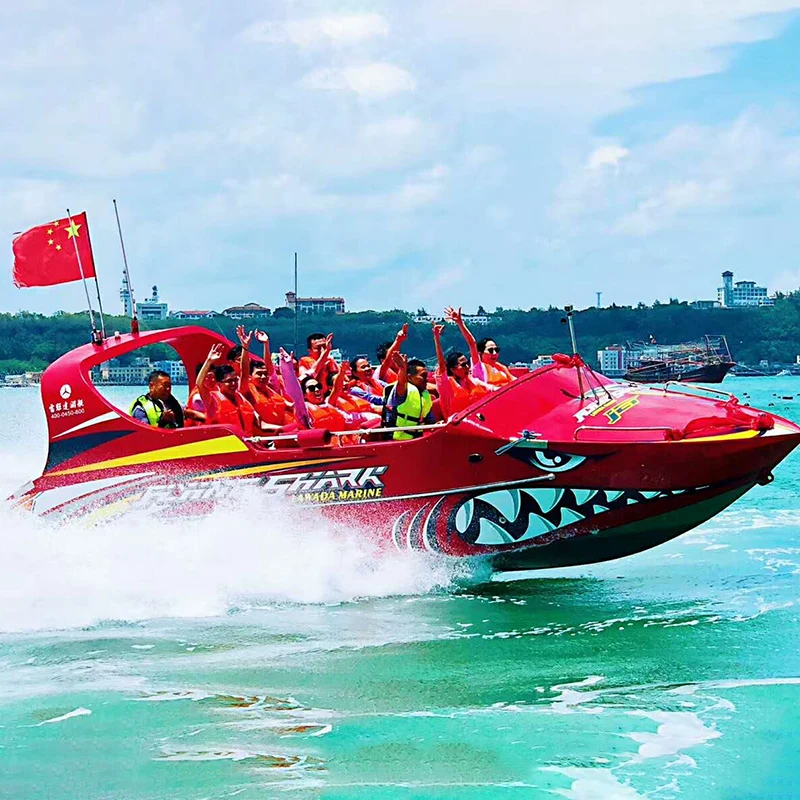
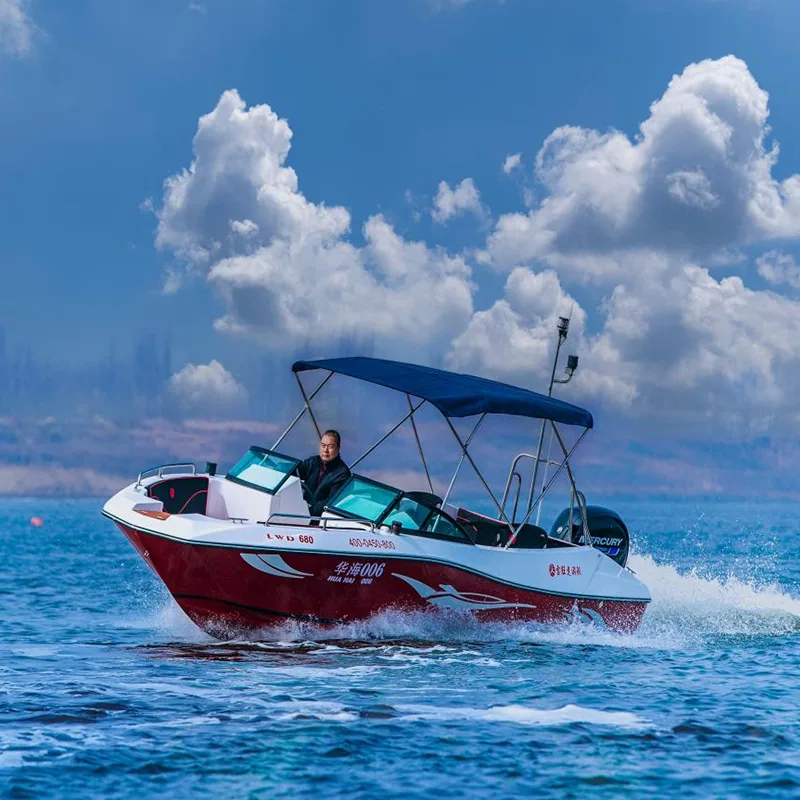
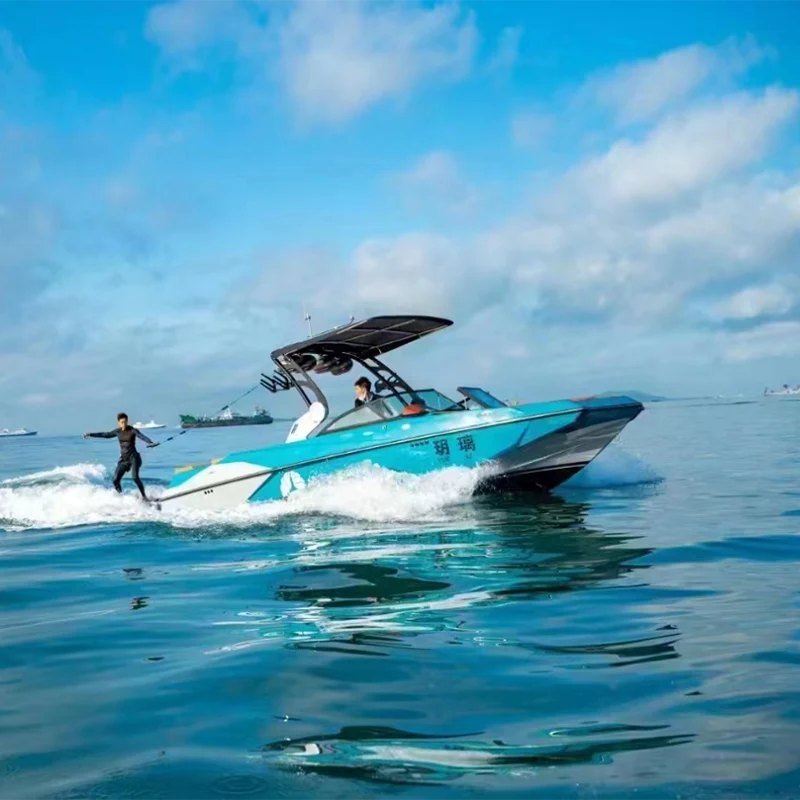
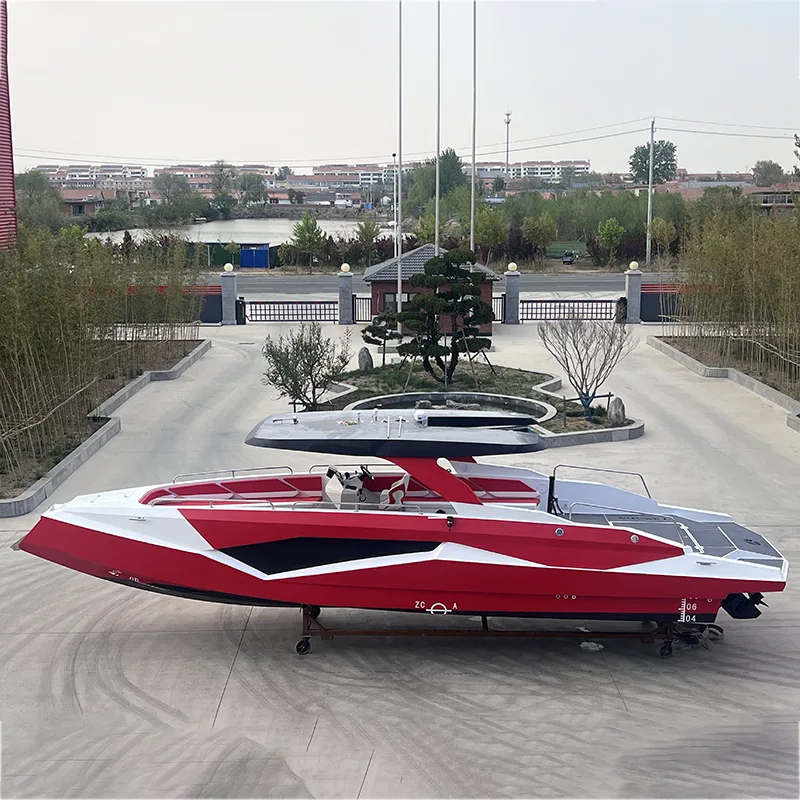
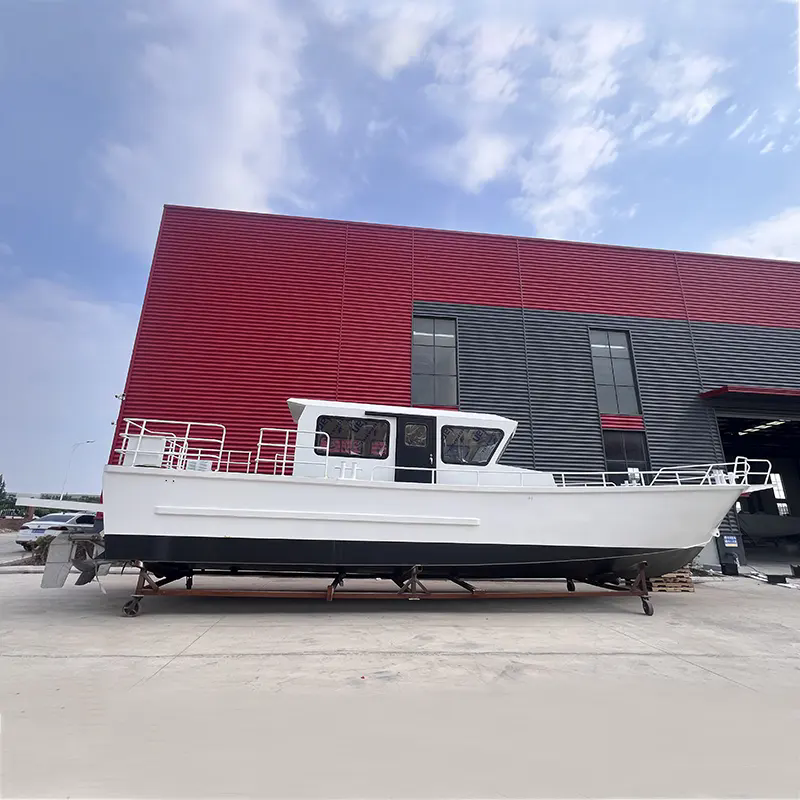
Monohull passenger boats are single-hulled vessels designed for transporting people across rivers, lakes, and coastal waters. Unlike catamarans or trimarans, monohulls have a single continuous hull, which provides a unique combination of stability and maneuverability. These boats are widely used for sightseeing tours, ferry services, and recreational cruises.
The design of a monohull passenger boat balances comfort, safety, and performance. Key features include:
| Feature | Monohull | Catamaran |
|---|---|---|
| Stability | Moderate | High |
| Fuel Efficiency | Better at high speeds | Better at low speeds |
| Passenger Comfort | Good | Excellent |
| Maneuverability | High | Moderate |
Monohull passenger boats offer multiple benefits:
When operating a monohull passenger boat, consider:
Regular maintenance ensures longevity and safety of your vessel:
Most monohull passenger boats cruise comfortably between 15–25 knots depending on size and engine configuration.
Small models may carry 10–20 passengers, while larger commercial vessels can accommodate 100 or more.
Yes, monohulls are designed for stability and can handle moderate waves safely, though extreme conditions require caution.
Regular inspections should be done before each trip, with comprehensive servicing every 6–12 months depending on usage.
For inquiries about our Monohull Passenger Boats, explore the full range of options and specifications at Lawada® Monohull Passenger Boat. Our team is ready to assist you with tailored solutions for your maritime needs. Contact us today to discuss your requirements and receive a personalized quote.