Whatsapp
Passenger transport operators often face several operational challenges: high fuel costs, maintenance expenses, safety concerns, and the need for reliable vessels that can handle different water conditions. Choosing the right vessel design can significantly impact long-term operating efficiency and passenger satisfaction.
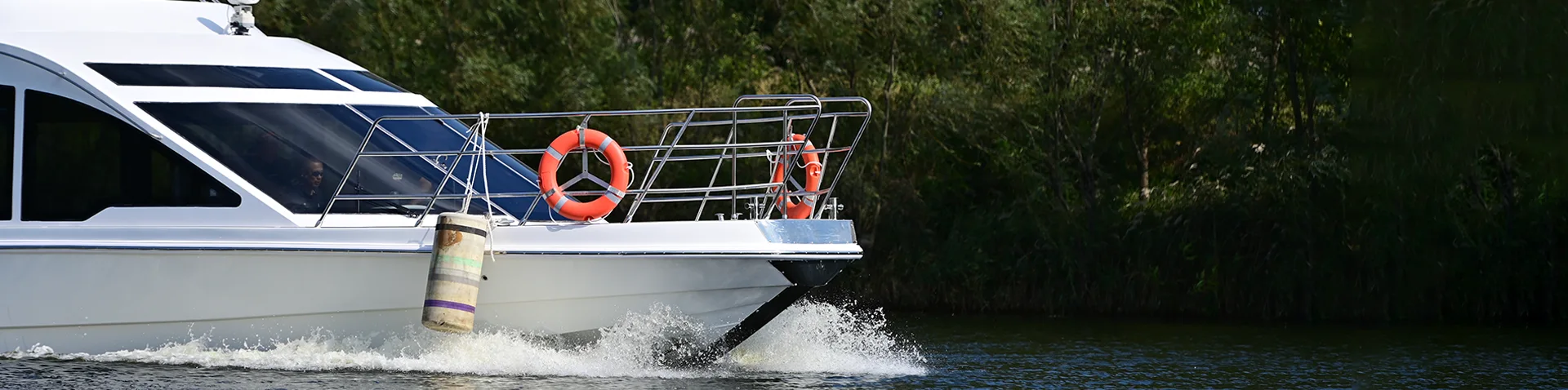
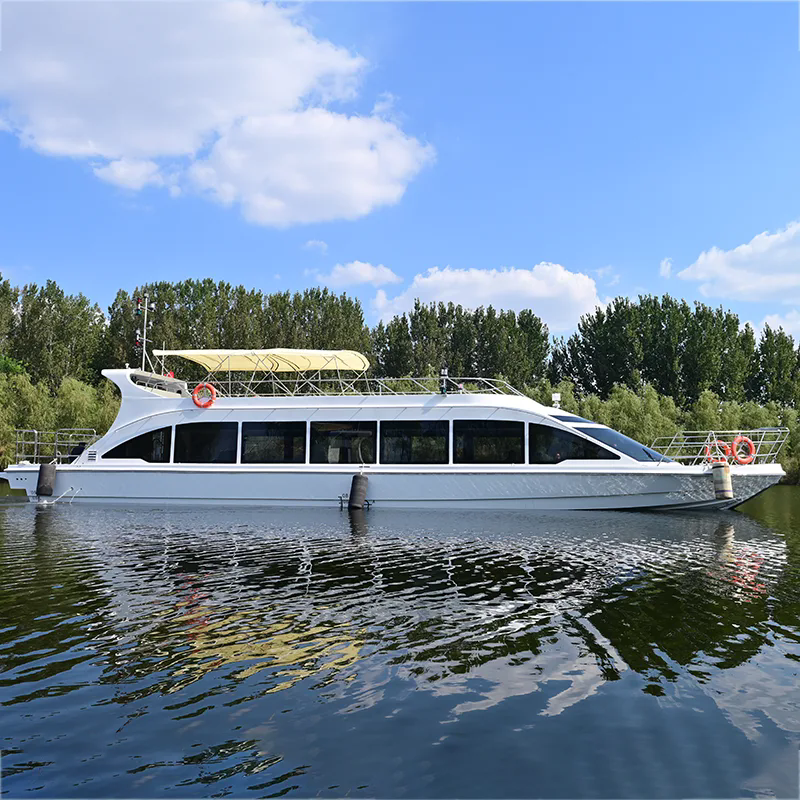
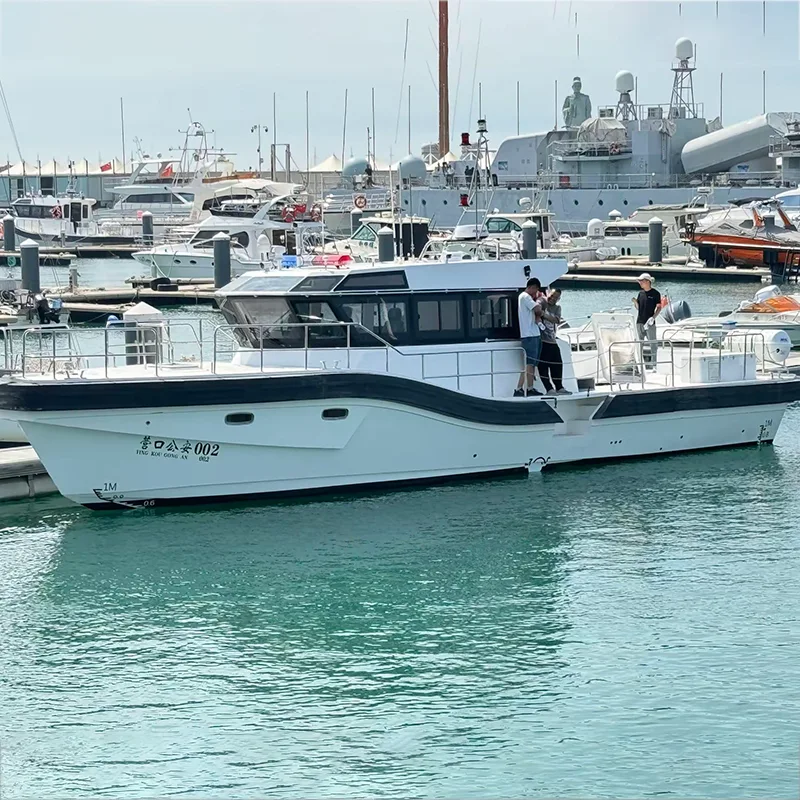
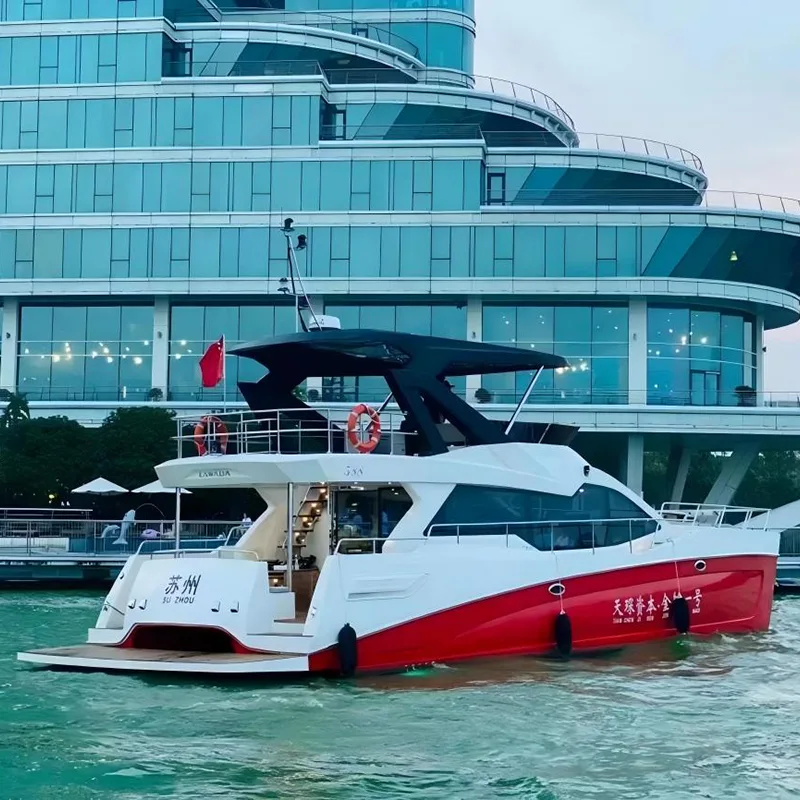
A Monohull Passenger Boat is one of the most widely used commercial passenger vessels in tourism routes, coastal transport services, and inland waterways. With a single-hull structure, this vessel type offers a balanced combination of durability, efficiency, and performance.
This article explains how monohull passenger boats work, why they are widely used in commercial operations, and how businesses can choose the right design for their passenger transport needs.
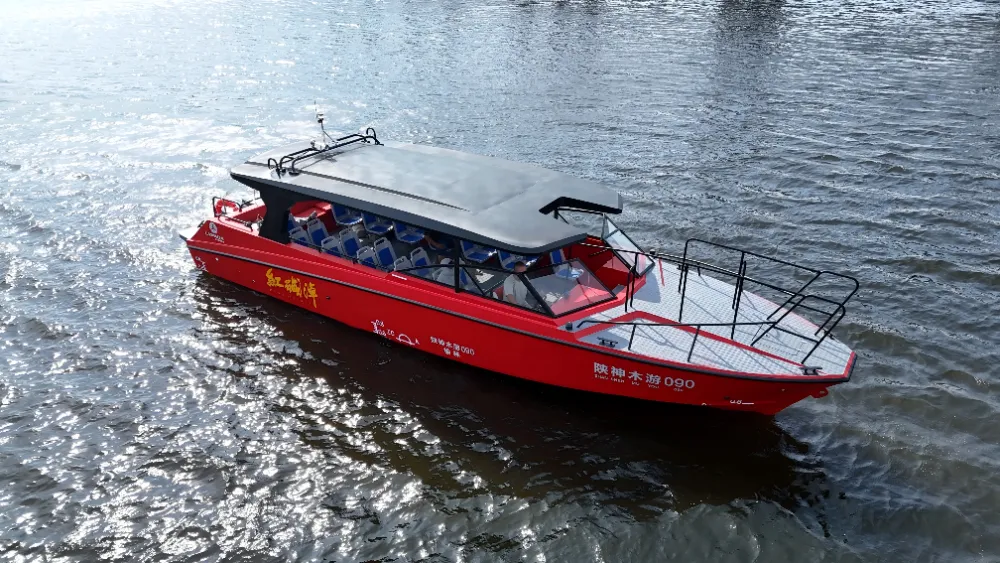
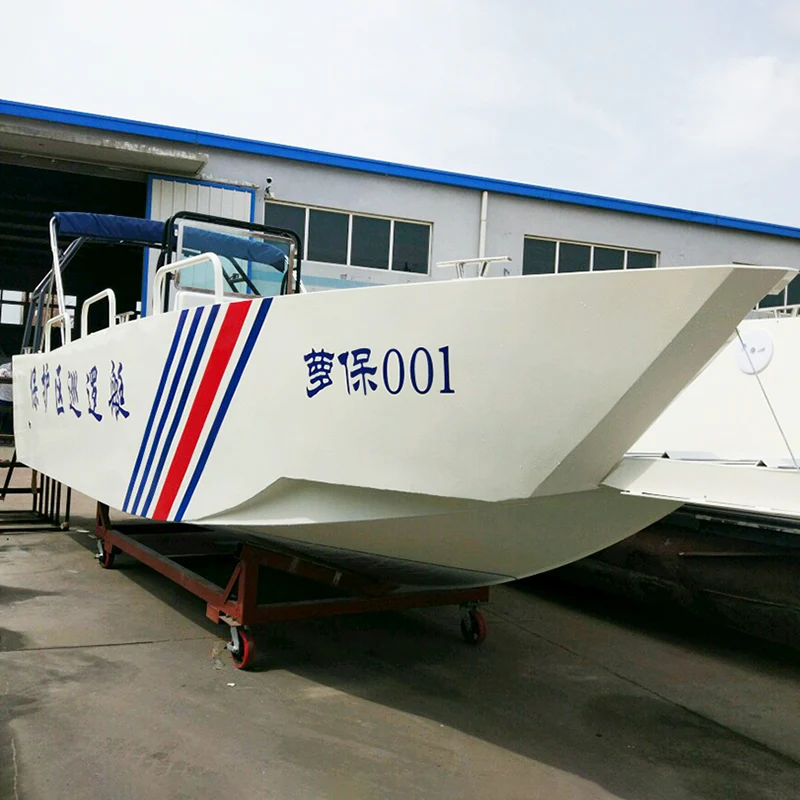
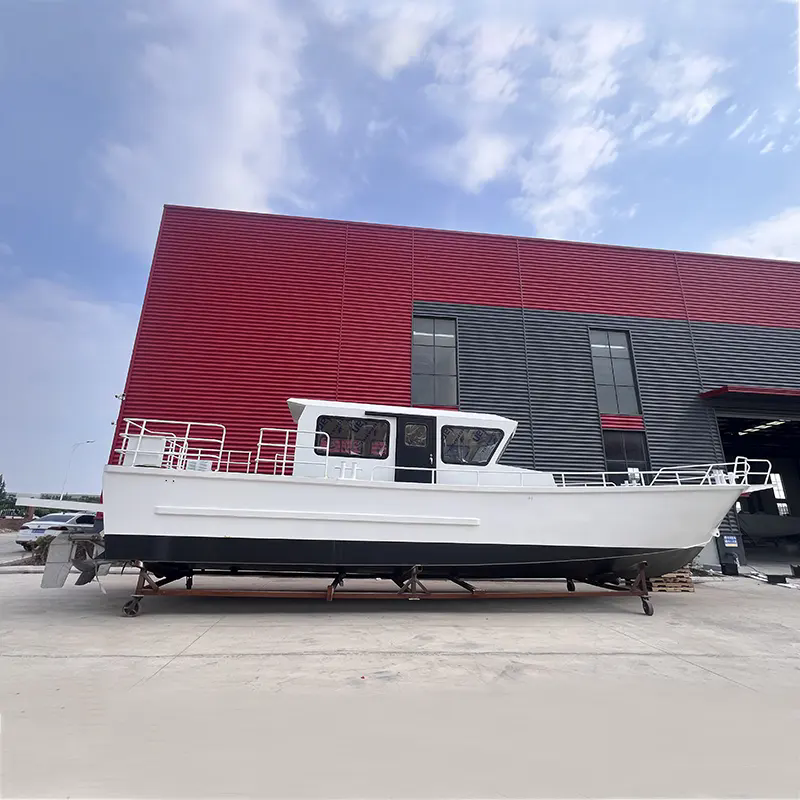
A monohull passenger boat is a vessel designed with a single hull structure that supports the entire vessel body and passenger space. Unlike multi-hull vessels such as catamarans or trimarans, a monohull boat relies on one main hull for buoyancy and stability. :contentReference[oaicite:0]{index=0}
This traditional hull design has been used for centuries and remains widely adopted in modern shipbuilding because of its reliability and proven performance across various water conditions.
In commercial passenger transport, monohull vessels are commonly used for:
Modern monohull passenger boats often feature aluminum or steel hulls, optimized hull shapes, and efficient propulsion systems that allow operators to achieve better fuel economy and lower operating costs.
Passenger transport companies must consider efficiency, reliability, and operating costs when selecting vessels. Monohull passenger boats offer several advantages that address these key operational concerns.
The deep-V or displacement hull design allows monohull vessels to cut through waves effectively. This characteristic improves ride comfort and enhances safety when operating in coastal or open-water environments. :contentReference[oaicite:1]{index=1}
For passenger transport operators, this means:
Many modern monohull passenger boats are constructed using lightweight materials such as marine-grade aluminum. These materials reduce vessel weight and improve fuel efficiency. :contentReference[oaicite:2]{index=2}
Key cost benefits include:
For commercial fleets that operate daily routes, these cost savings can significantly improve long-term profitability.
Commercial vessels must withstand frequent operation, harsh weather, and saltwater exposure. Aluminum and steel monohull boats are highly durable and resistant to corrosion, making them suitable for long-term commercial use. :contentReference[oaicite:3]{index=3}
Operators benefit from:
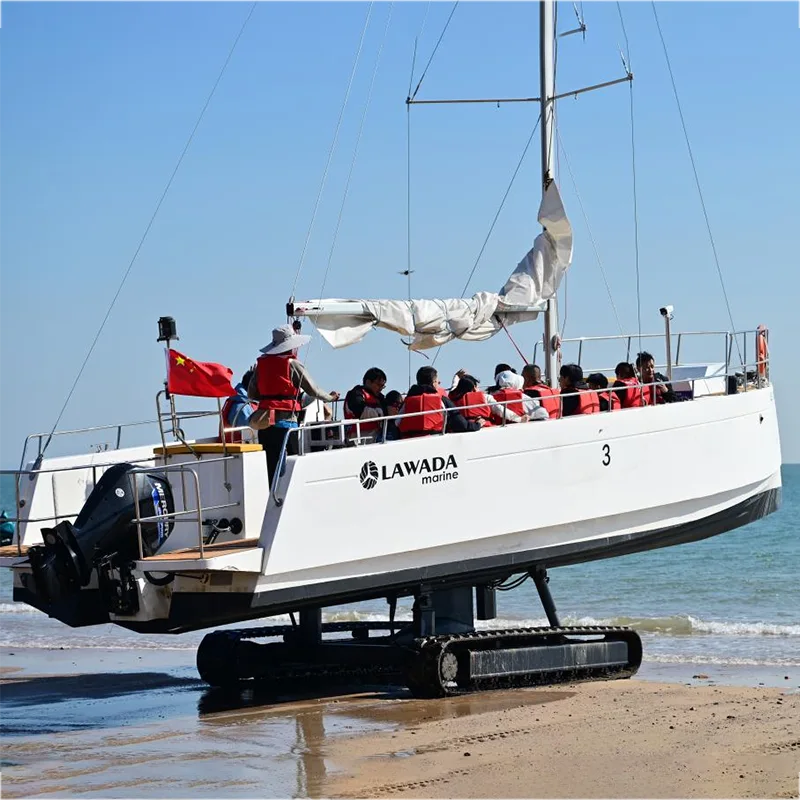
Monohull passenger boats are widely used across many maritime industries due to their flexibility and reliable performance.
| Application | Description |
|---|---|
| Sightseeing Cruises | Tourist boats used for scenic coastal or lake tours |
| Island Transportation | Passenger ferries connecting islands and mainland ports |
| River Transport | Passenger movement along rivers and inland waterways |
| Water Taxi Services | Short-distance urban passenger transportation |
| Resort Transportation | Private shuttle services for resorts and tourism destinations |
These vessels are especially popular in areas where reliable daily passenger transport is required.
Advancements in shipbuilding technology have significantly improved the performance and safety of modern passenger vessels.
Typical features include:
Many modern designs also incorporate sealed buoyancy chambers, enhanced stability systems, and improved passenger comfort features to ensure a safe travel experience.
| Feature | Monohull Passenger Boat | Catamaran Passenger Boat |
|---|---|---|
| Structure | Single hull | Two parallel hulls |
| Cost | Lower purchase and maintenance cost | Higher manufacturing and operating cost |
| Wave Performance | Strong performance in rough water | More stable but may experience slamming |
| Maintenance | Simpler mechanical systems | More complex due to dual hull systems |
| Applications | Tourism, ferries, commuter transport | Luxury cruises, high-speed ferries |
Because of their cost efficiency and structural simplicity, monohull passenger boats remain a preferred solution for many commercial operators.
Selecting the right vessel requires careful consideration of operational needs, passenger capacity, and environmental conditions.
Important factors include:
Professional boat manufacturers such as Lawada design and build monohull passenger boats tailored for tourism operators, ferry services, and commercial transport providers. Their vessels combine durable construction with modern passenger comfort features, helping operators deliver reliable marine transportation services.
1. What is the main advantage of a monohull passenger boat?
The main advantage is its balance of efficiency, durability, and cost effectiveness. The single-hull structure reduces construction complexity and maintenance requirements while still providing reliable performance in various water conditions.
2. Are monohull passenger boats safe for commercial operations?
Yes. Modern monohull passenger boats are designed with advanced safety systems, stable hull designs, and professional navigation equipment to ensure passenger safety during operation.
3. What materials are commonly used to build these boats?
Marine-grade aluminum and steel are commonly used because they provide strong structural durability, corrosion resistance, and long service life in marine environments.
4. Can monohull passenger boats be customized?
Yes. Many manufacturers offer customization options including seating layouts, cabin designs, passenger capacity, propulsion systems, and onboard equipment to match specific operational requirements.
A well-designed Monohull Passenger Boat provides a dependable and efficient solution for commercial passenger transportation. Its proven hull structure, cost-effective operation, and ability to perform well in different water conditions make it an ideal vessel for tourism companies, ferry operators, and marine transport providers.
Manufacturers like Lawada continue to develop modern monohull passenger boats that combine durability, safety, and passenger comfort. Whether for sightseeing cruises, commuter routes, or resort transportation, choosing the right vessel design can greatly enhance operational efficiency and passenger experience.
If you are planning to invest in a high-quality monohull passenger vessel or want to learn more about available configurations, contact us today to discuss your project requirements and receive professional guidance from experienced marine specialists.