Whatsapp
Maritime safety and coastal security require reliable vessels capable of rapid response, long endurance, and stable performance in demanding sea conditions. A patrol boat plays a crucial role in law enforcement, border monitoring, search and rescue missions, and harbor protection.
This article explains how a patrol boat operates, what components make it effective, and how organizations can choose the right vessel for operational needs. It also introduces structural features, key technical parameters, operational advantages, and common questions buyers often have when selecting a patrol boat.
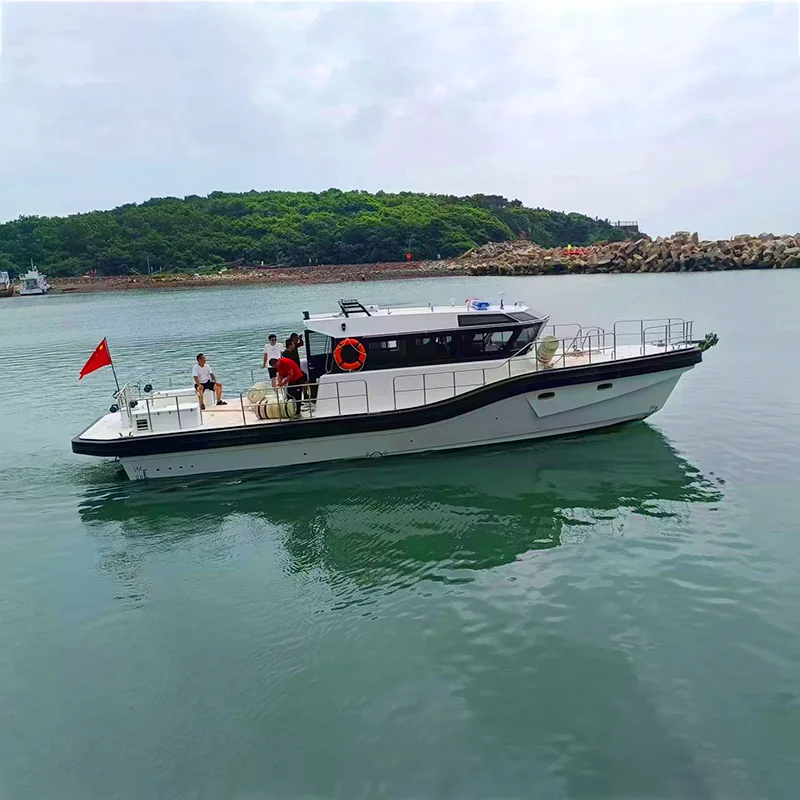
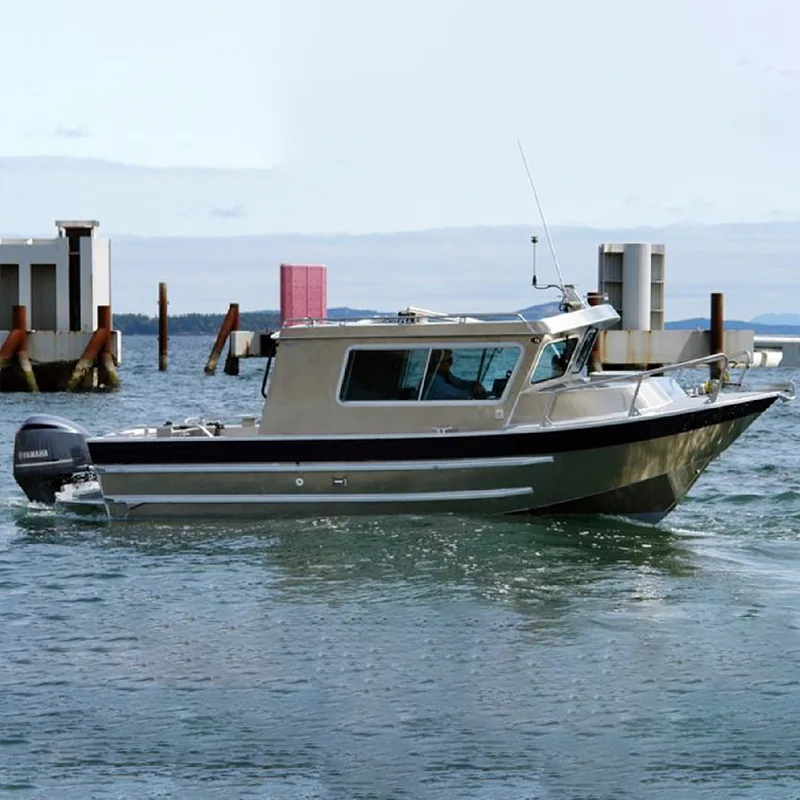
A patrol boat is a specialized maritime vessel designed for monitoring, defense, and enforcement activities across coastal waters, ports, rivers, and offshore regions. These boats are commonly used by coast guards, naval units, harbor authorities, and marine police.
Unlike large naval ships, patrol boats emphasize speed, maneuverability, and rapid deployment. They are typically smaller but equipped with advanced navigation systems, communication equipment, and safety features that allow crews to monitor vast maritime areas effectively.
Organizations often face several operational challenges:
Modern patrol boats are engineered to address these challenges through optimized hull design, high-power propulsion systems, and integrated onboard technology.
The operation of a patrol boat combines mechanical propulsion, advanced navigation systems, and operational coordination. Each system works together to ensure the vessel performs reliably during surveillance and response missions.
The basic operational process includes several key stages:
When a patrol mission begins, the crew sets the navigation route using onboard GPS and radar systems. The propulsion system, often powered by diesel engines or water-jet drives, provides high acceleration and stability.
Once at sea, the boat’s surveillance equipment scans the surrounding area for vessels, suspicious activity, or distress signals. The crew can then approach targets quickly, communicate with authorities, or perform rescue operations when necessary.
The efficiency of a patrol boat depends on its integrated systems and structural design. Key components include:
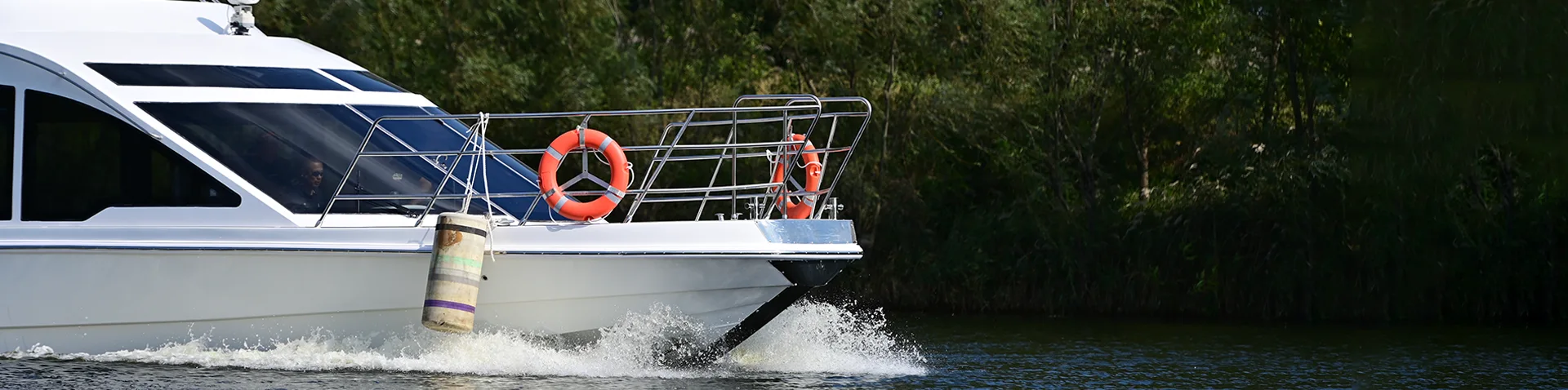
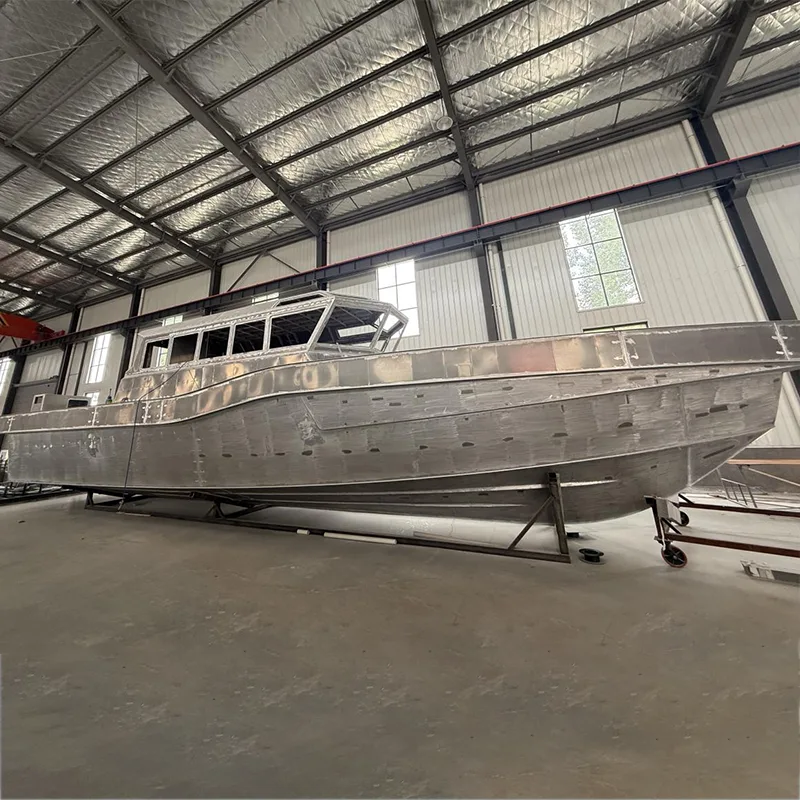
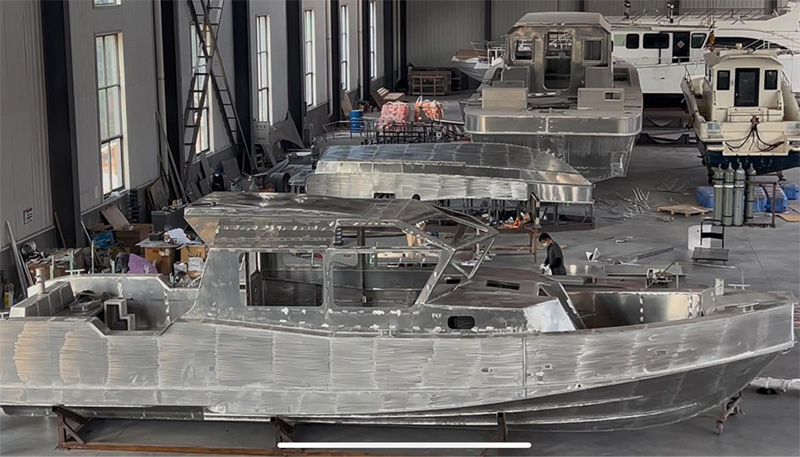
The hull is usually built using marine-grade aluminum or reinforced fiberglass. These materials provide a balance of strength, corrosion resistance, and reduced weight, allowing the boat to achieve higher speeds.
The propulsion system typically includes powerful marine engines coupled with propellers or water-jet drives. Water-jet systems are especially useful for patrol boats because they improve maneuverability and reduce the risk of underwater impact.
Navigation equipment such as radar, GPS, sonar, and digital chart systems allows the crew to maintain accurate positioning and detect nearby vessels even in poor visibility conditions.
Understanding the technical specifications of a patrol boat helps operators evaluate its performance and suitability for specific missions.
| Parameter | Description |
| Length | Typically ranges from 10m to 20m depending on mission requirements |
| Hull Material | Marine aluminum alloy or fiberglass reinforced plastic |
| Maximum Speed | Usually between 25–45 knots |
| Passenger Capacity | 5–12 crew members depending on design |
| Fuel System | Long-range diesel fuel tanks for extended patrol operations |
| Navigation Equipment | Radar, GPS, AIS, digital chart display |
| Operating Range | Up to several hundred nautical miles depending on fuel capacity |
Patrol boats serve multiple maritime sectors. Their versatility makes them essential tools for governments, port authorities, and security agencies.
Common applications include:
Because patrol boats are designed for quick maneuvering, they can intercept suspicious vessels faster than larger ships. This capability is particularly important in busy shipping lanes and coastal zones.
Advancements in marine engineering have significantly improved patrol boat performance. Modern vessels offer several advantages compared to earlier designs.
Manufacturers such as Lawada focus on developing patrol vessels that combine performance with operational reliability. The integration of advanced marine engineering and navigation technology allows these boats to operate efficiently in demanding environments.
Additionally, improved hull hydrodynamics reduce drag and improve stability, which is critical when operating in rough coastal waters.
Selecting the right patrol boat requires evaluating operational needs and environmental conditions. Buyers should consider several key factors before making a decision.
For example, coastal law enforcement agencies may prioritize high speed and interception capabilities, while environmental monitoring teams may require extended cruising range and observation equipment.
Working with an experienced manufacturer ensures that the patrol boat design meets specific operational needs while maintaining safety and performance standards.
1. What is the typical speed of a patrol boat?
Most patrol boats operate between 25 and 45 knots depending on engine configuration, hull design, and weight distribution.
2. How long can a patrol boat stay at sea?
Operational endurance depends on fuel capacity and cruising speed. Many patrol boats can operate for several hundred nautical miles before refueling.
3. What materials are commonly used in patrol boat construction?
Marine aluminum and fiberglass reinforced composites are the most common materials because they provide excellent strength while keeping the vessel lightweight.
4. Are patrol boats suitable for rescue missions?
Yes. Many patrol boats are equipped with rescue gear, medical kits, and boarding platforms, making them ideal for search and rescue operations.
Patrol boats are essential assets for maritime security, surveillance, and emergency response. Their high speed, maneuverability, and advanced onboard systems enable efficient monitoring of coastal and offshore waters.
With continuous advancements in marine technology, modern patrol boats deliver improved safety, performance, and operational efficiency. Companies like Lawada are committed to designing reliable patrol vessels that meet the evolving needs of maritime authorities and security organizations.
If you are searching for a dependable patrol boat designed for durability, speed, and professional maritime operations, the team at Lawada can provide tailored solutions based on your mission requirements.
For detailed specifications, customization options, and expert consultation, contact us to learn how the right patrol boat can strengthen your maritime operations.